
Birdwatching in Squamish, BC: Ethical Wildlife Viewing Tour
Saying you care about animals is easy. What you actually do with a free afternoon is more honest.
I’m a vegan travel writer with a background in permaculture and regenerative land management. I don’t do zoos, I won’t swim with anything, and I’ve walked out of places that had wildlife on display.
But I’ve also always believed there’s a version of wildlife engagement that’s genuinely okay, grounded in observation, real knowledge, and respect for the animals and the place.
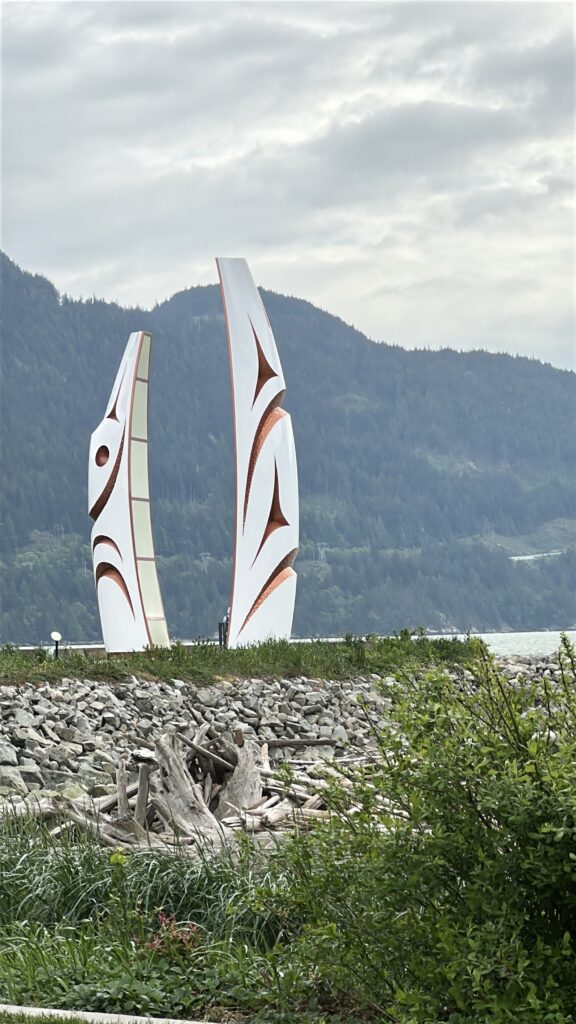
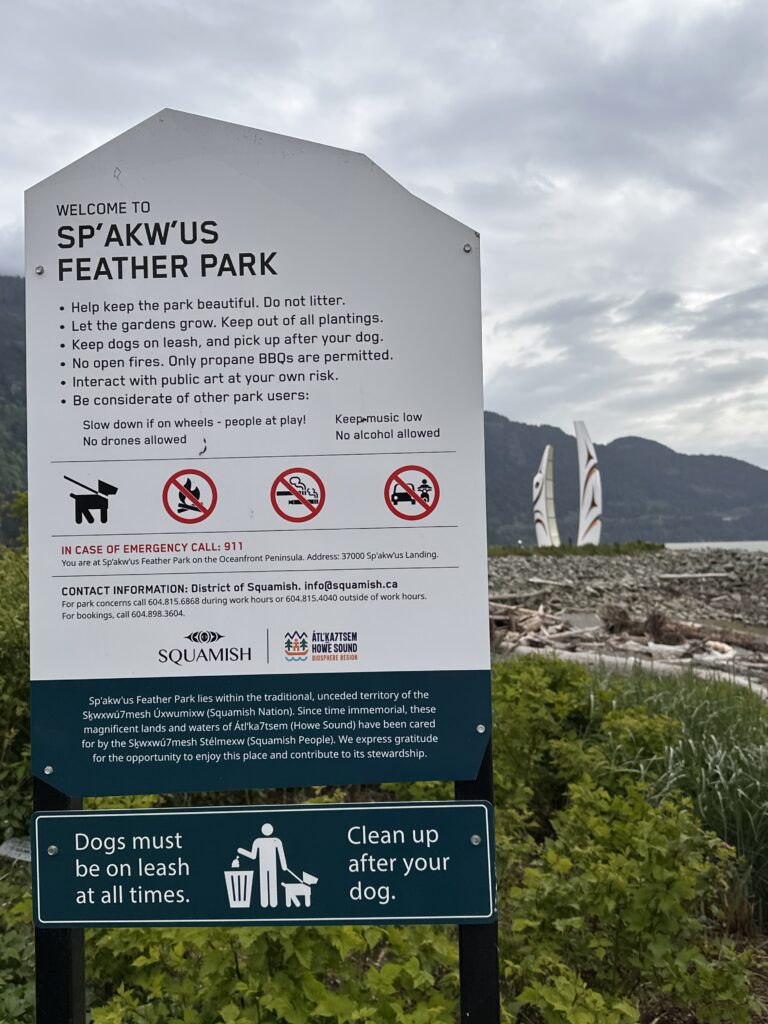
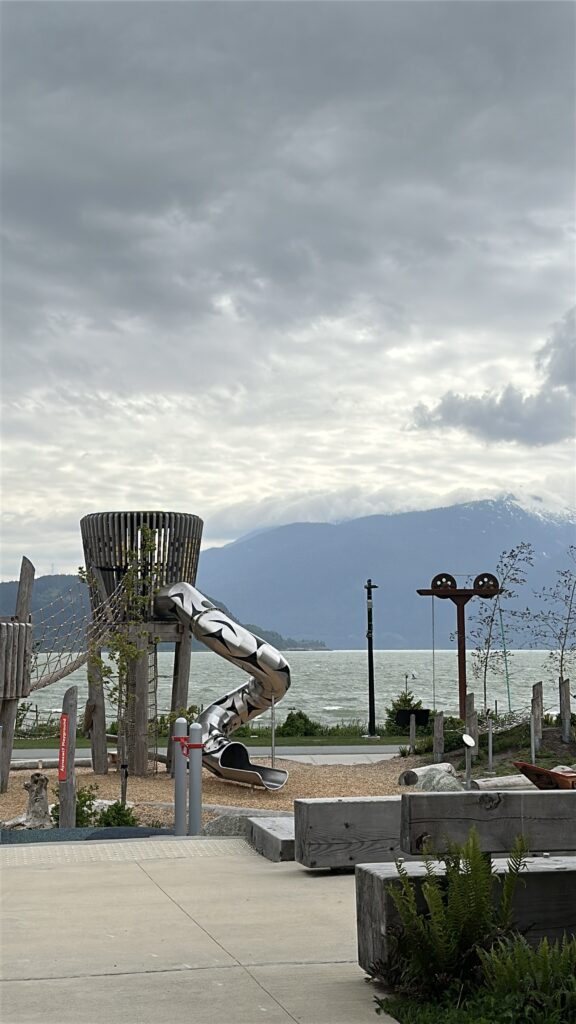
On a May evening at Sp’ákw’us Feather Park on Squamish’s new Oceanfront Peninsula, I spent an hour finding out what that actually looks like.
My guide was Niall Bell, wildlife photographer, Nature Squamish board member, and Sea to Sky Birders Programme Coordinator, who moved from South Yorkshire to Squamish specifically for its wildlife. This is what he taught me.
What Ethical Wildlife Viewing Actually Looks Like
Niall’s core principle is straightforward: leave no impact, not just no trace. Go in, watch, and leave without changing any animal’s behaviour.
“Nobody’s perfect,” he told us, as we watched a female Northern Harrier quarter the marsh below – moving in a grid pattern, the same hunting technique owls use, looking for prey to bring back to her chicks. “But if we can all strive for that, we’ll leave the place better for sure.”
That framing clicked for me immediately. With a permaculture background, I think about human presence in ecosystems this way too – the question isn’t just “did I do harm?” but “did I leave things as I found them?”
Here’s what Niall taught us about doing this in practice:
Read the animal’s stress, not just its presence
- Bears show stress the same way dogs do: licking lips, yawning, swaying
- Long-eared owls stretch tall and thin with ear tufts up when frightened – they’re trying to look like a branch
- Pygmy owls puff up round and wide when scared (the opposite of relaxed)
- You can look at a wildlife photo online and tell whether the animal was calm – and whether the photographer gave it space
If you find a roosting owl during the day, appreciate it and move on
- An owl disturbed in daylight may be forced to fly into the open
- In Squamish, that exposes smaller owls (pygmy, saw-whet, long-eared) to barred owls, which are larger, invasive to BC, and will kill them
- Don’t linger, even if it’s the best thing you’ve ever seen
Turn the volume down on the Merlin app
- Playing a bird call out loud – even accidentally while checking an ID – disrupts nesting and mating behaviour in spring
- Birds interpret the recording as real: males defend territory, species that were keeping distance get drawn together
- Fix: volume down, phone to your ear
Stay aware of nests
- Walking past a nest and startling birds off it leaves eggs exposed to predators
- Niall watched a raven take two Canada goose eggs from an unguarded nest – one moment of disturbance, one direct consequence
When a whole flock lifts suddenly, look up
- That almost always means a predator is nearby
- Usually a bald eagle or turkey vulture, sometimes a bobcat
- Watching what birds do, not just what they look like, changes how much you see
Ask any tour operator: What are your ethical principles?
- If they can’t give a clear answer, that’s your answer
- If you feel your guide is not treating the wildlife ethically, ask the question and learn more about their approach. This will help give you better judgment on the situation.
- More expensive tours are not automatically more ethical – smaller, local guides tend to be more careful

How Thoughtful Tourism Creates Real Impact
Caring about animals as a feeling is one thing. Where you put your time, and your travel spending is another.
When you join a community-led nature experience, you’re not just enjoying a slow morning outside. You’re supporting the people doing the actual conservation work – the surveys, the habitat monitoring, the advocacy.
The Squamish Estuary is a protected wildlife management area partly because of community bird count data collected by volunteers. Sp’ákw’us Feather Park itself was a contaminated industrial site, now a restored coastal habitat recognized globally for its biodiversity. That didn’t happen by accident.
Showing up as a thoughtful visitor – curious, unhurried, paying attention – is part of how this kind of place keeps being worth visiting.
Why Squamish for Birds?
Squamish sits where the Squamish River meets Howe Sound, on the Pacific Flyway – a major North American migratory route. That means species from across the continent pass through seasonally, and the mix of wetland, forest, and coastal habitat makes for varied, rewarding nature walks in any season.
Brackendale, within Squamish, draws one of the largest concentrations of bald eagles in the world during the winter salmon run. The estuary records over 235 bird species.
Squamish is a key stop on the BC Bird Trail, connecting Vancouver to Whistler along Highway 99. If you’re already planning a Sea to Sky Highway road trip, building in a slow morning or afternoon, here is an easy and worthwhile addition.
What struck me most was how connected everything is here. The estuary filters nutrients between the mountain and the sea. Salmon feed eagles, which cycle nutrients back into the forest. It’s a slow, complete system – and one of the best ways to understand it is just to stand quietly and watch.
Squamish is also working toward a Bird Friendly City designation, led by Claudia Cridge, Bird Friendly Squamish Coordinator at Nature Squamish. The programme works to make the built environment safer for birds – less collision risk, less harmful lighting, more habitat.

About Niall Bell and Nature Squamish
Niall Bell is a wildlife photographer and birder who moved to Squamish from England specifically for its wildlife. He sits on the Nature Squamish board and leads the monthly Squamish Estuary bird counts – a community science programme that has run every single month since 1991.
What made the hour with him valuable wasn’t just knowing what we were looking at. It was understanding why birds behave the way they do, and how to move through a habitat without disrupting it. That’s the difference between a nature walk and a nature experience.
You can follow his wildlife photography at @niallbellcom on Instagram.
Nature Squamish runs bird counts, owl surveys, eagle counts, bat monitoring, and pollinator projects. The monthly estuary counts are open to everyone – no experience needed. Find them at squamishenvironment.ca.

Planning Your Visit: Getting There, Where to Stay, and What to Pair It With
Getting to Squamish from Vancouver
Squamish is about an hour to one and a half hours north of Vancouver on Highway 99, with Howe Sound opening up on your left as you clear West Vancouver. Allow extra time during summer and long weekends when traffic can slow near the coast.
Sp’ákw’us Feather Park has free parking, including accessible spots in the main lot.
The Squamish Connector will take you from Vancouver to Squamish if you don’t have access to a vehicle.
Soft Adventures to Pair with Your Visit
Birdwatching fits naturally into a slower, more intentional day in Squamish. The park and nearby estuary trails are flat, accessible, and easy to walk at your own pace – no gear or fitness level required.
The Sea to Sky Gondola takes you up to alpine views of Howe Sound and the Tantalus Range – go on a clear morning for the best conditions. Shannon Falls, just off the highway heading south, is one of BC’s tallest waterfalls and takes less than 20 minutes to reach from the trailhead.
The West Coast Railway Heritage Park is a good slow-wander stop if you want something cultural – a large outdoor collection of heritage railway equipment and a very different pace from the mountains.
Frequently Asked Questions About Birdwatching in Squamish
Do I need to be an experienced birder?
No – the estuary is beginner-friendly, and the community counts welcome anyone. If you join a guided walk, the people leading it are there to help you understand what you’re seeing.
What’s the best time of year to visit?
Winter (November to February) is peak eagle season in Brackendale, while late spring offers the best mix of migrants, raptors, and shorebirds – if you only have one window, late spring is a strong choice.
Is it accessible for people with mobility considerations?
Most of the dyke trail and Sp’ákw’us Feather Park pathways are flat, paved, or compacted gravel with accessible parking. Check current trail conditions with the District of Squamish or Nature Squamish before going, especially after wet weather.
Can I bring my dog?
Dogs are permitted in most of the estuary area but must stay on a leash – an off-lead dog near nesting birds or bears can cause a wildlife stress response that takes a long time to settle.
Tips to Make This Visit Easier
- Go in the early morning or late afternoon – bird activity peaks at both ends of the day, which is why a 4 pm start works well
- Bring binoculars – many of the best sightings are at a distance, and a basic pair makes a real difference
- Download the Merlin app before you go, and practise using it with your volume low and phone to your ear
- Dress in layers – the estuary is exposed to wind off the water and gets cool quickly, even on warm days
- Wear muted colours – not a hard rule, but it doesn’t hurt
- Walk slowly and stop often – wildlife responds more to movement than to sound
- Watch what flocks are doing, not just individual birds – sudden group movement usually signals something worth noticing
- Stay on marked paths during the spring and summer nesting season
- If you find something worth watching, be mindful of your time at the spot – the animal needs space, and so do other visitors

by Tazim Damji of Celebrate Life’s Adventures
Struggling to make your weekends feel like a real break?
This free interactive workbook helps you plan slower, more restorative getaways, without overpacking your schedule.
The Best Day Trips from Vancouver
- Bowen Island Day Trip Itinerary from Vancouver
- Best Squamish Day Trip From Vancouver
- Victoria Day Trip from Vancouver: What to See and Do in One Day
- Day Trip to Fort Langley
- Day Trip to Langley City from Vancouver, BC: Is it the Place to BE?
- Best Things to Do in Harrison Hot Springs: A Comprehensive Guide
- 10 Day Trips from Vancouver (Local-Approved) for When You Just Need Out
Plan Your Canadian Adventure
A few trusted resources I use and recommend:
- Booking.com (Hotels + Stays) – Find places to stay across Canada
Compare hotels, hostels, and vacation rentals using a handy map tool. - Discover Cars (Rental Vehicles) – Search Canadian car rentals
Easily compare prices from major rental companies for your road trip. - Busbud (Intercity Buses) – Book Canadian bus routes
Affordable bus travel between cities and small towns across Canada. - Viator (Tours & Activities) – Browse tours across Canada
From guided walks to scenic day trips, find local experiences worth booking. - Airalo (eSIM Cards) – Get a Canadian travel eSIM
Stay connected while you explore without needing a physical SIM card. - Safety Wing (Travel Insurance) – Explore travel insurance options
If you're visiting Canada from abroad, travel insurance is worth looking into. This platform helps you compare plans. (Not financial advice.)
