How To Visit Banff National Park: What to Expect for First-Time Visitors
Wondering how to visit Banff National Park without losing your mind—or your budget? Between the shuttle chaos, unpredictable weather, parking nightmares, and peak-season prices, planning your first trip can feel more stressful than scenic.
I used to live just a few hours away in Calgary and have visited Banff dozens of times across all seasons. I’ve made the rookie mistakes, figured out what actually works, and found ways to enjoy Banff that feel personal—not packaged.
Whether you’re coming solo, bringing kids, or planning a chill wellness getaway, you’ll get everything you need to make it work for you.
What to Expect by Season
Banff is a year-round destination, but each season feels completely different. This isn’t just about temperatures. It’s about crowds, access, and what your days actually look like on the ground, especially if it’s your first visit.
Late Spring (Mid-May to Late June)
The first time I saw Lake Louise was in mid-May. We drove from Calgary expecting crowds, but the parking lot was half empty. The lake had just started to thaw, with ice still floating near the edges. It felt quiet and almost unreal.
Spring in Banff is full of contrasts.
What to expect:
- Fewer crowds than summer, especially midweek
- Snow one day, sunshine the next
- Waterfalls at their strongest
- Lower elevation trails often accessible, alpine areas still snow-covered
Good to know:
- Bring layers. Every single day.
- Don’t plan high alpine hikes yet.
- Lakes won’t be fully turquoise, but the calm more than makes up for it.
Best for: first-time visitors who want scenery without peak-season pressure.
Summer (July to Mid-September)
Summer delivers the classic Banff images everyone recognizes, but it’s also the busiest and most expensive time to visit. Expect full parking lots, advance bookings, and a lot of people sharing the same viewpoints.
I tend to stay closer to Banff town in summer and focus on easy walks, lakes with simpler access, and early mornings.
What to expect:
- Peak crowds and peak prices
- Full trail access
- Shuttle systems for popular lakes
- Busy streets from late morning onward
Good to know:
- Early mornings matter. Before 8 a.m. makes a difference.
- Evenings can be calmer and more enjoyable than midday.
- Reservations are essential for accommodation and popular activities.
Best for: travellers set on summer hiking and iconic lake views who don’t mind planning ahead.
Autumn (Mid-September to Early October)
Autumn is one of my favourite times to be in Banff. Yes, the larch trees turn gold, but what really stands out is how much quieter everything feels.
I’ve spent cool afternoons sitting by Johnson Lake with a thermos and a book, with plenty of space and very little noise.
What to expect:
- Cooler days and crisp evenings
- Fewer visitors once September crowds thin out
- Shorter days and early sunsets
- Limited shoulder-season services toward October
Good to know:
- Some facilities close earlier in the season.
- Snow can arrive suddenly at higher elevations.
- This is a great time for photography without the summer crowds.
Best for: travellers who want calmer days and don’t need full summer access.
Winter (November to March)
This is when Banff feels cinematic. I went ice skating on Lake Louise while it snowed—just me and a few others gliding across the frozen lake, surrounded by mountains. It was cold, yes, but also quiet and magical. You don’t get moments like that in summer.
What to expect:
- Snow-covered landscapes and quieter trails
- Lower hotel prices outside holiday periods
- A strong focus on winter activities
- Fewer daylight hours
Good to know:
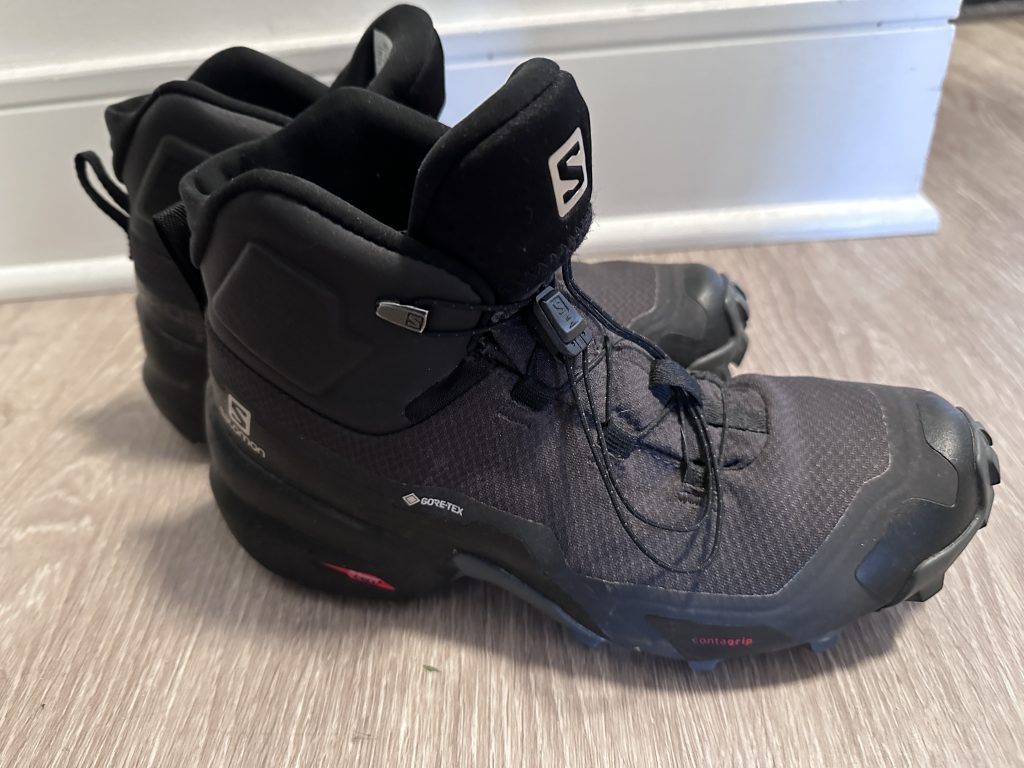
- Traction aids and proper boots are essential.
- Roads are well-maintained, but conditions change quickly.
- The Banff Upper Hot Springs feel especially good in winter.
Best for: travellers who enjoy winter scenery, fewer crowds, and slower-paced days.
Hotels are cheaper during winter (apart from the Christmas season). The town is lit up at night. Trails turn to snowshoe routes or cross-country ski tracks. And the Banff Upper Hot Springs? A completely different experience when it’s minus 15.
Read more in my Lake Louise Ice Skating Guide or my full Banff in Winter post.

Weather + Altitude: What to Expect
Banff sits high up—over 1,400 metres—and that elevation makes a difference.
You might feel a little out of breath even on short walks. The sun feels stronger, the wind colder, and the temperatures swing wildly between morning and afternoon. I’ve packed gloves in July and needed them.
Real talk:
• Bring lip balm, hand lotion, and a reusable water bottle.
• Don’t trust the forecast—weather changes fast, especially near the lakes.

Crowds: When and Where to Expect Them
Let’s not pretend Banff is some untouched secret. It gets busy, especially in summer, on weekends, and on long holidays. But you can still have a beautiful, relaxed trip if you plan around it.
• Main Street gets packed from late morning to early evening. I prefer walking by the Bow River or relaxing at Cascade Gardens instead.
• Lake Louise can still be quiet in spring and autumn. I’ve had peaceful visits in May and late September.
• Skip Moraine Lake and Johnston Canyon. They’re oversaturated. The shuttle system is frustrating, and the vibe just isn’t worth the effort.
Instead, explore Two Jack Lake, take a boat ride on Lake Minnewanka, or just enjoy the town. There’s no rule that says your Banff trip has to be a checklist.

First-Time Visitor Mistakes (That Are Totally Avoidable)
Even mindful travellers fall into these. Here’s what I’ve seen happen way too often—and how you can do it differently.
Trying to do too much in one day
Yes, everything looks “close” on Google Maps. But a “quick stop at Lake Louise” is actually a 90-minute round trip from Banff—not counting parking drama, shuttle logistics, or just wanting to sit and breathe.

What to do instead:
Pick one big thing a day. That’s it. Lake Minnewanka in the morning + relaxing in town? Perfect day. Skating on Lake Louise + hot springs soak? Even better.
Booking last-minute in high season
Banff doesn’t do spontaneous very well in July. I’ve had friends show up in August thinking they’d “just find a campsite” or walk into a restaurant at 6 p.m. Nope.
Insider tip:
Book lodging and dinner reservations ahead (yes, even in the town of Banff). Also, if you do forget, check for last-minute cancellations at local spots—especially midweek.
Overlooking the simple stuff
Some of my favourite moments in Banff weren’t “bucket list” at all. They were eating a sandwich by Johnson Lake, reading a book by the Bow River, or watching wildlife wander near a picnic table like they own the place (because they do).
Reminder:
You don’t need to earn your trip by hiking 20km a day. Banff doesn’t care how much you see—it just wants you to feel it.

Getting Around Banff Without Losing Your Mind
Getting around Banff is not as breezy as Instagram makes it look. Here’s what you need to know about cars, shuttles, parking lots, and sanity.
Yes, you probably need a car
If you want to follow this itinerary and visit quieter lakes or trailheads, a rental car or personal vehicle is your best bet. You won’t need it to explore town, but for anything else? It’s gold.
- Most spots are within a 10–45 minute drive of Banff town.
- Driving gives you the freedom to change plans when the weather flips or a place feels too crowded.
- Gas is cheaper in Canmore, by the way.
The Parking Situation (It’s… not great)
- Lake Louise parking lot fills by 8:30 a.m. in summer. Costs $21/day. That’s not a typo.
- Moraine Lake? You can’t drive there anymore. Shuttle only. And even that needs to be booked weeks in advance.
- Town of Banff lots are okay—head to Bear Street or Beaver Street public lots. Parking meters run till 8 p.m.
Pro tip:
Do what locals do. Visit the popular spots after 5 p.m. when the tour groups have cleared out. Light is better than anyway.
Shuttles + Public Transport
- Roam Bus: Great for getting around town and to nearby spots like Lake Minnewanka or Canmore.
- Parks Canada Shuttles: Required for Moraine, helpful for Louise in summer. Book online and plan around them—these aren’t hop-on-hop-off.
- Downtown Banff has decent walkability. Leave your car parked and stroll the river path.

How to Visit Banff Without Spending a Fortune
Banff has a reputation for being expensive, and it’s not wrong. But you can visit without maxing your credit card. You just need to know where to cut corners and where to spend for a better experience.
Where to Save
Picnic often
Bring a lunch kit, hit Nesters Market or IGA, and eat by the Bow River, Two Jack Lake, or Cascade Ponds. It’s cheaper, calmer, and the views beat any restaurant patio.
Skip the Banff Gondola (unless you’re dead set on it)
It’s over $60 per person. You’ll get similar views from Tunnel Mountain, the Norquay Viewpoint, or even Surprise Corner—for free.
Buy a Parks Canada Pass ahead of time
If you’re staying for more than 7 days, go for the Discovery Pass—it covers all national parks for the year and often works out cheaper. Note: in 2025, between June 20th and September 2nd, you will not need a Parks Canada Pass to access National Parks and National Historic Sites!
Getting a Parks Canada Pass
To explore Canada’s national parks, such as Banff and Jasper, a Parks Canada pass is required. Here’s what you need to know to get one:
- Day Pass: Ideal for short visits, a day pass grants entry to a specific park until 4 p.m. the next day. These can be purchased at park gates, visitor centers, or online.
- Discovery Pass: If you’re planning to visit multiple parks or historic sites throughout the year, the Discovery Pass offers unlimited entry to over 80 Parks Canada locations for 12 months. Available online or at participating retail locations, this pass can save you time and money if you’re making multiple visits.
- Where to Buy: Passes are available at entry gates, Parks Canada visitor centers, or online at Parks Canada.
Tip: Keep your pass visible in your vehicle when entering national park areas, as park staff may check for it at various points.
Walk or bus in town
Parking adds up and fills fast. Leave your car and take the Roam Bus or walk. Most places are within 15 minutes on foot.
Where It’s Worth Spending
The hot springs—off-peak
The Banff Upper Hot Springs only cost about $17, and if you go after 6 p.m., it’s quiet and magical. I’ve sat in there with snow falling and steam rising off the mountains. Worth every loonie.
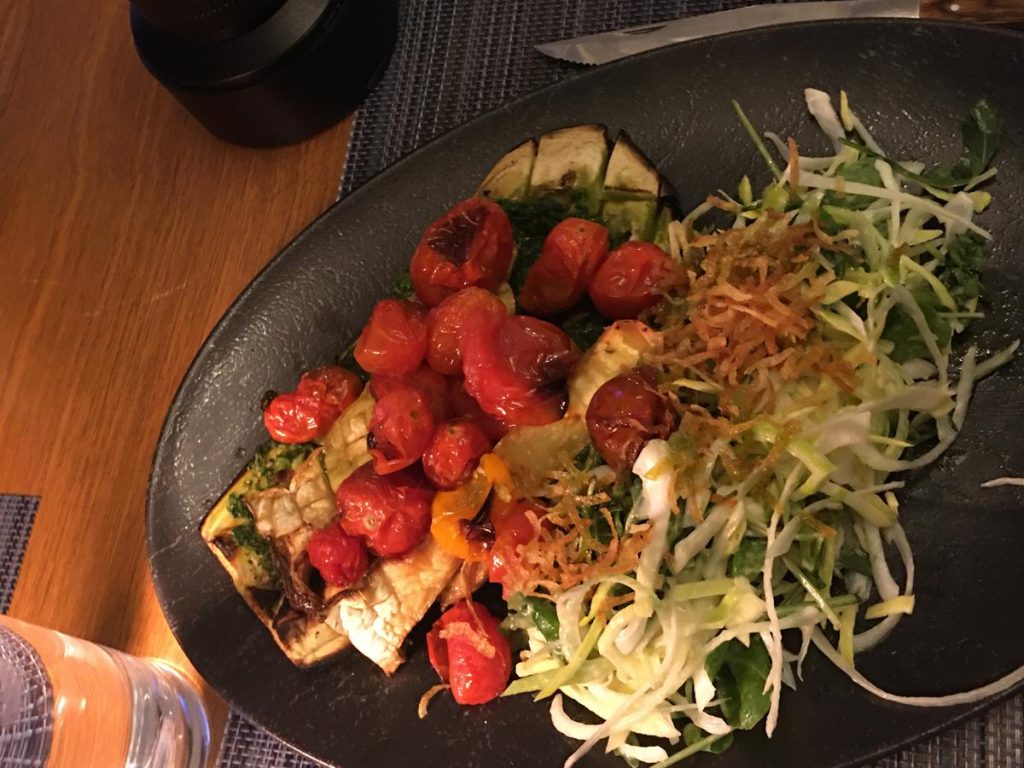
Vegan comfort food after a long day
- Nourish Bistro: Unique and flavourful, not cheap but satisfying. Great for a treat dinner.
- Bear Street Tavern: Vegan pizza option + laid-back vibe.
- Wild Flour Bakery: Great for breakfast, takeaway sandwiches, and real coffee.
Experiences > souvenirs
Forget the “Made in China” t-shirts. Spend your money on guided experiences, local artists’ prints, or a massage at Cedar & Sage Wellness Studio instead. It’ll last longer and feel better.
Totally Free (and Amazing) Things to Do in Banff
- Walk the Bow River Trail or hang out in Central Park
- Watch the sunset at Vermilion Lakes
- Explore the Cascade of Time Garden in spring/summer
- Visit the Fenland Trail for a quiet walk through old-growth spruce

Helpful Things You Might Not Know (But Will Be Glad You Do)
After years of visiting Banff in every season, I’ve picked up a few quirks, habits, and small wins that make a big difference, especially on your first visit. These are the little things I wish someone had told me earlier.
Lake Minnewanka is a great first stop
If you’re arriving from Calgary, heading straight to Lake Louise can feel rushed. Lake Minnewanka is only 15 minutes from Banff town, has easy parking, and gives you that “wow, I’m in the Rockies” feeling without the logistics.
• Boat cruises in summer
• Snowshoeing or skating in winter
• Scenic pullouts, picnic areas, and fewer crowds
Early means early—but evenings are magic too
“Get there early” usually means before 7 a.m., especially in summer. But here’s the thing: after 5 p.m. can be just as lovely. Fewer people, golden light, and space to actually enjoy where you are.
Need Wi-Fi or a warm break? The Banff Visitor Centre has both
Plus, clean washrooms and helpful staff who actually live in the area. Good place to check trail conditions or download offline maps.
Bear spray: rent it, don’t buy it
Most people never need it, but it’s essential to carry. Rentals are cheaper, easier, and TSA-friendly since you won’t be flying home with it. You’ll find rentals in gear shops right on Banff Ave.
You can still get jaw-dropping views from your car
Not every viewpoint needs a hike. Some of my favourites are pullouts I stumbled across on slower drives:
• Mount Norquay Viewpoint
• Vermilion Lakes
• Castle Mountain
• Bow Valley Parkway in the early morning
Pack a snack, pull over, and just be there for a minute.
Banff moves at its own pace—and that’s the point
In the mornings, the trails are full of hikers and sunrise-chasers. Midday, the town hums with cafés and casual wanderers. Evenings? That’s when Banff exhales. Aligning your days with that rhythm makes everything feel smoother.


What to Pack for Banff (and What Most People Forget)
You don’t need to overpack for Banff, but you do need to pack smart. Weather can flip in an hour, trail conditions change with elevation, and even in summer, evenings are cold.
Essentials (Year-Round)
- Layers: Think light thermal, fleece or puffy, and a wind/waterproof shell. This Columbia fleece is warm without being bulky, and this vest is a great mid-layer that works across seasons.
- Reusable water bottle + snacks
- Daypack or sling bag
- Sun protection: Hat, lip balm, and sunscreen—even in winter
- Proper shoes: These KEEN sandals are perfect for river walks or hot-weather hikes where you still want coverage.
- Offline maps or AllTrails Pro
For comfy travel days or easy layering, I swear by the Lululemon Align Pants. They’re breathable, flattering, and hold up across everything from flights to light hikes.
If you’re planning a picnic or want to relax trailside, this ultralight camping chair is a game-changer—compact, comfy, and under 3 pounds.
Winter Add-ons
See my full Alberta Winter Packing List for the full setup, but here’s a short version:
- Warm base layers (merino or synthetic)
- Insulated jacket
- Waterproof boots
- Microspikes or ice cleats (if walking near frozen lakes or trails)
- Thermos for hot drinks (you’ll thank yourself at Lake Louise)
Wildlife + Safety Basics
Banff is wild—and that’s a big part of its beauty. You probably will see wildlife at some point, especially if you’re driving the Bow Valley Parkway, around Lake Minnewanka, or in quieter shoulder seasons.
The big things to know:
- Carry bear spray if you’re hiking—rent it in town
- Stay at least 100 metres from bears and 30 metres from elk or sheep
- Don’t leave food or garbage behind—even fruit peels
- Never feed wildlife (including the very persuasive ground squirrels)
Pro tip: If you see cars pulled over on the side of the road, slow down. It might be a wildlife sighting—just make sure you’re not creating a traffic jam.
FAQs About Visiting Banff National Park
Is Banff walkable?
Yes, the town itself is walkable—but you’ll need a car or shuttle to explore the park.
Do I need a rental car in Banff?
It’s not essential, but a car gives you way more freedom and access to quieter places.
Can I visit Banff in winter?
Absolutely—it’s magical, cheaper, and less crowded. Just pack warm and check road conditions.
Next Steps for Planning Your Trip
If you’re feeling more confident about Banff now, here’s where to go next:
- Need a done-for-you plan? → My 1 to 7-Day Banff Itinerary (no crowds, no stress)
- Coming in winter? → Lake Louise Ice Skating Guide + Banff in Winter
- Packing smart? → Alberta Winter Packing List
- Adding a side trip? → Abraham Lake Ice Bubbles or Calgary in Winter
You don’t have to see it all, but you do deserve to enjoy it. Start slow, leave space, and let Banff surprise you.
Plan Your Canadian Adventure
A few trusted resources I use and recommend:
- Booking.com (Hotels + Stays) – Find places to stay across Canada
Compare hotels, hostels, and vacation rentals using a handy map tool. - Discover Cars (Rental Vehicles) – Search Canadian car rentals
Easily compare prices from major rental companies for your road trip. - Busbud (Intercity Buses) – Book Canadian bus routes
Affordable bus travel between cities and small towns across Canada. - Viator (Tours & Activities) – Browse tours across Canada
From guided walks to scenic day trips, find local experiences worth booking. - Airalo (eSIM Cards) – Get a Canadian travel eSIM
Stay connected while you explore without needing a physical SIM card. - Safety Wing (Travel Insurance) – Explore travel insurance options
If you're visiting Canada from abroad, travel insurance is worth looking into. This platform helps you compare plans. (Not financial advice.)
