
3-Day Mount Abu (Abu Raj) Itinerary for a Relaxing Rajasthan Getaway
Not every Rajasthan itinerary needs to include Jaipur, desert adventures and a long list of palaces and forts. Sometimes, what you really need is a few days in the mountains.
Mount Abu, renamed Abu Raj in 2026, is Rajasthan’s only hill station and offers a quieter alternative to the state’s larger cities. Think mountain scenery, intricately carved marble temples, heritage hotels and leisurely afternoons by the lake.
By the time my best friend and I reached Rajasthan, we’d been travelling around India by train for several months. We’d been carrying enormous backpacks, staying in budget accommodation and using a railway timetable to decide where to go next.
We were mentally exhausted, our travel budget was dwindling, and neither of us particularly wanted to navigate another busy city.
We still wanted to experience Rajasthan, though. Mount Abu seemed like the ideal place to spend a few days on our journey from Ahmedabad to Delhi.
Drawing on my three-night stay, original travel photography and updated travel research, I’ve put together a 3-day Mount Abu itinerary that balances cultural experiences, gentle outdoor activities and plenty of time to enjoy your surroundings.
Whether you’re looking for a relaxing mountain getaway or a break during a longer journey through India, this guide will help you plan your visit without rushing from one attraction to the next.
Mount Abu (Abu Raj) at a Glance
Location: Rajasthan’s only hill station, situated in the Aravalli mountains in northwestern India, near the Gujarat border.
How long to stay: 2–3 days. I recommend three nights for a more relaxed visit.
Getting there: Take the train to Abu Road railway station, approximately 28 km away, then continue by taxi or bus.
Where to stay: The Jaipur House for heritage accommodation and mountain views, or near Nakki Lake for easy access to shops and restaurants. Compare accommodation in Mount Abu
Tours and experiences: Consider a private sightseeing tour or driver if you prefer not to arrange transportation between attractions yourself. Browse Mount Abu tours and experiences
Three-day Mount Abu itinerary summary
| Day | Main activities | Pace |
|---|---|---|
| Day 1 | Arrival, heritage hotel, gardens and mountain views | Very relaxed |
| Day 2 | Dilwara Jain Temples and optional Peace Park | Cultural sightseeing |
| Day 3 | Nakki Lake, pedal boating, local shops and optional viewpoints | Gentle outdoor activities |
🙌🏽 Prefer a guided experience? Browse tours that include Mount Abu, from day trips to multi-day Rajasthan itineraries.

Day 1: Arrive in Mount Abu and Enjoy the Mountain Views
Arriving in Mount Abu
If you’re arriving by train, allow time for the journey from Abu Road railway station up into the Aravalli mountains. The winding mountain road is an introduction to a very different side of Rajasthan.
My best friend and I travelled here from Ahmedabad towards the end of our extended trip through India. After spending so much time in busy cities, I was looking forward to being surrounded by mountains and greenery.
Depending on your arrival time, I’d keep your first day’s plans flexible. Between the train journey and the drive up to Mount Abu, you may want little more than a good meal and somewhere comfortable to spend the afternoon.
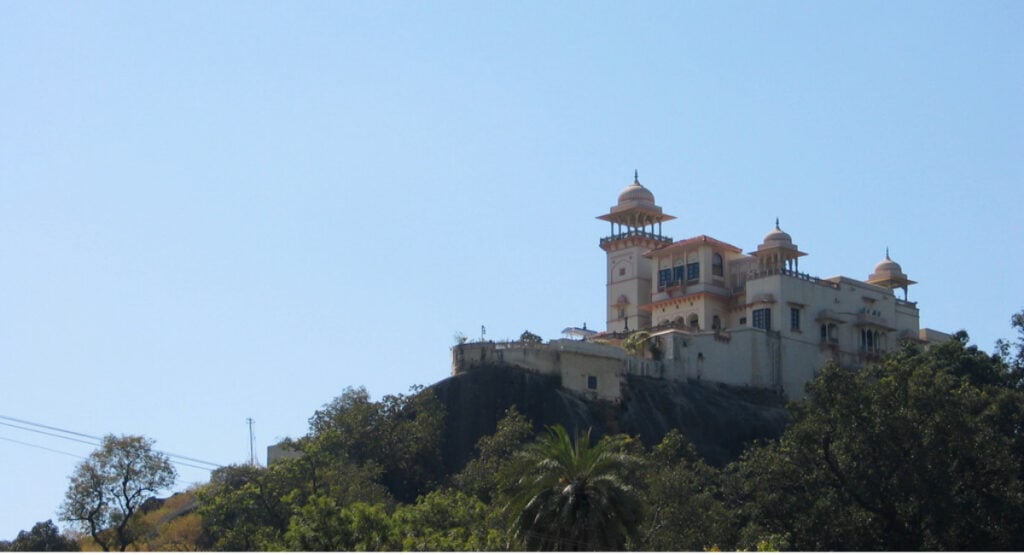
Check Into a Heritage Hotel
I’d recommend booking your accommodation in advance and checking directly into a heritage hotel on your first day in Mount Abu.
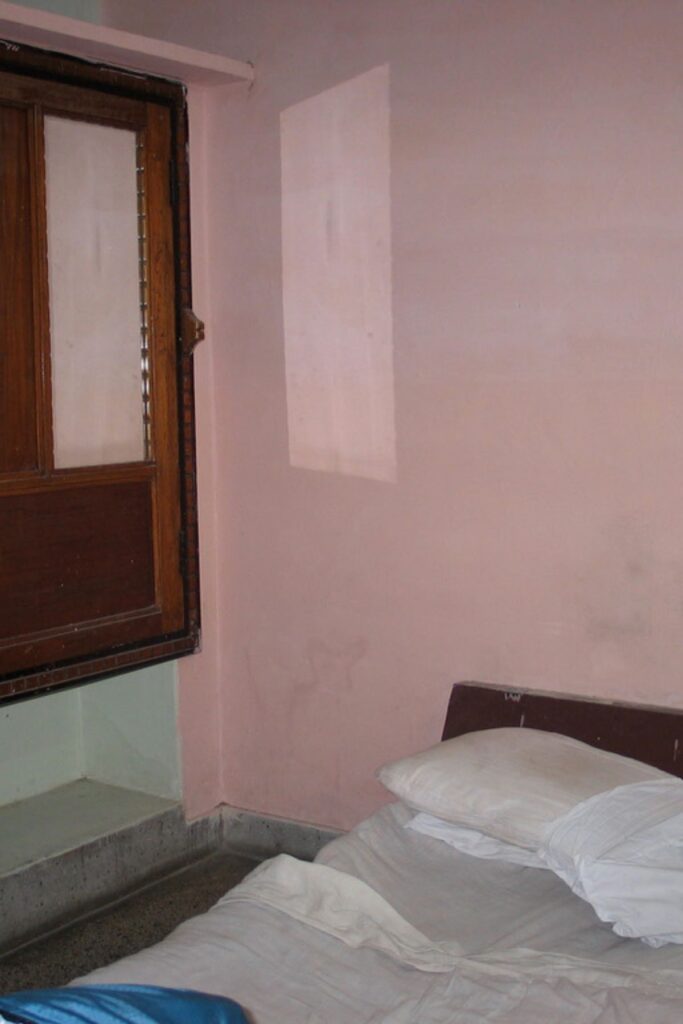
My best friend and I arrived during a sporting event that we hadn’t known about. With our preferred hotel unavailable, we ended up spending our first night in a rather unpleasant budget motel.
Fortunately, we were able to check into The Jaipur House the following day, when the town was considerably quieter.
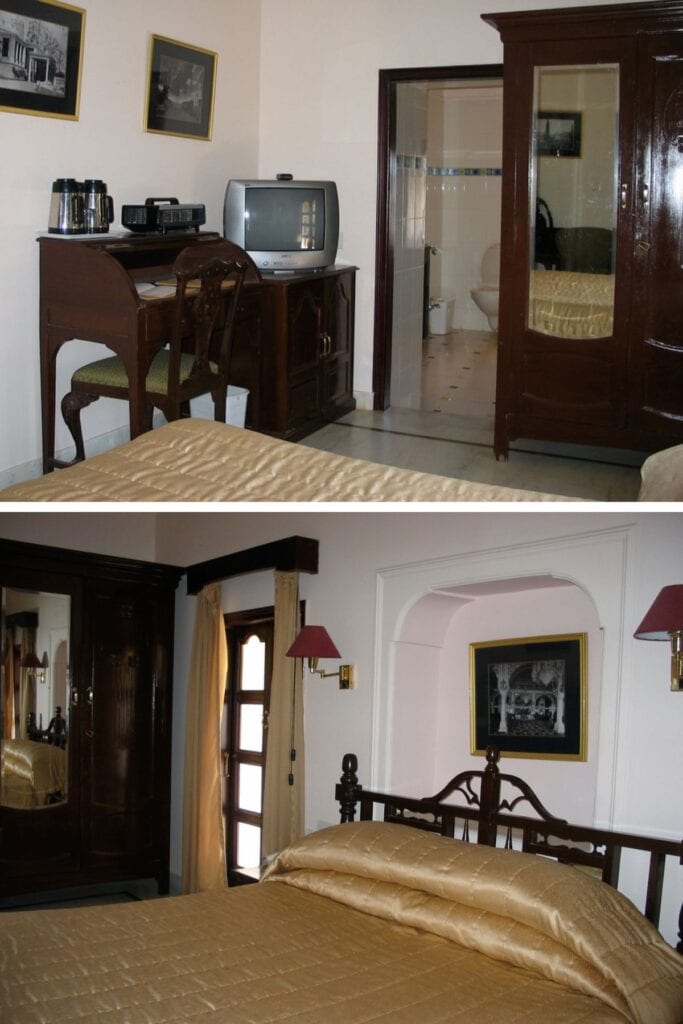
A former royal summer residence overlooking the surrounding mountains, The Jaipur House was quite a departure from the budget accommodation we’d been staying in throughout India.
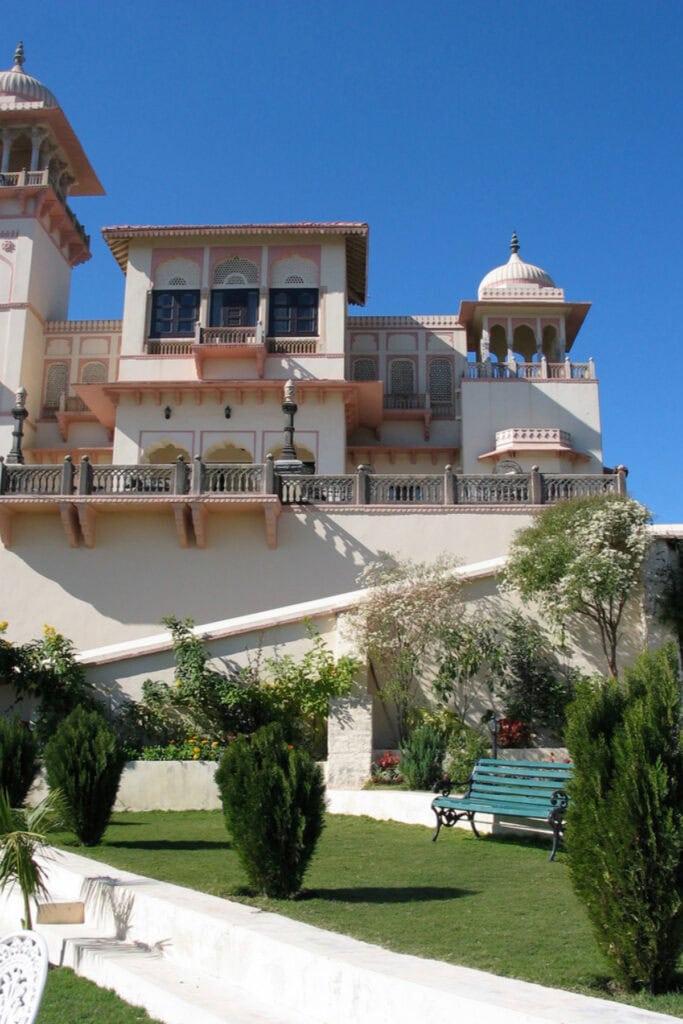
I remember the spacious room, beautiful gardens and mountain views. After months of carrying heavy backpacks from one destination to another, it was lovely to stay somewhere that I actually wanted to spend time.
The property has since undergone an extensive redesign, making it a particularly interesting accommodation option for travellers who appreciate historic architecture and interior design.
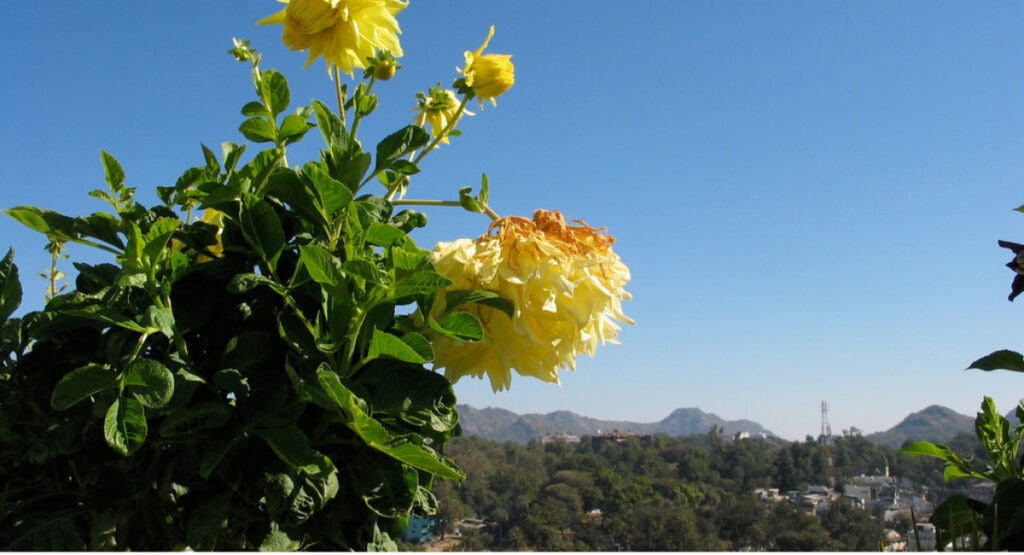
Spend the Afternoon Enjoying the Gardens and Mountain Scenery
One of my favourite things about staying at The Jaipur House was having beautiful surroundings right outside my room.
I spent time photographing the colourful hibiscus, dahlias and other flowers in the gardens, as well as the architectural details of the former palace.
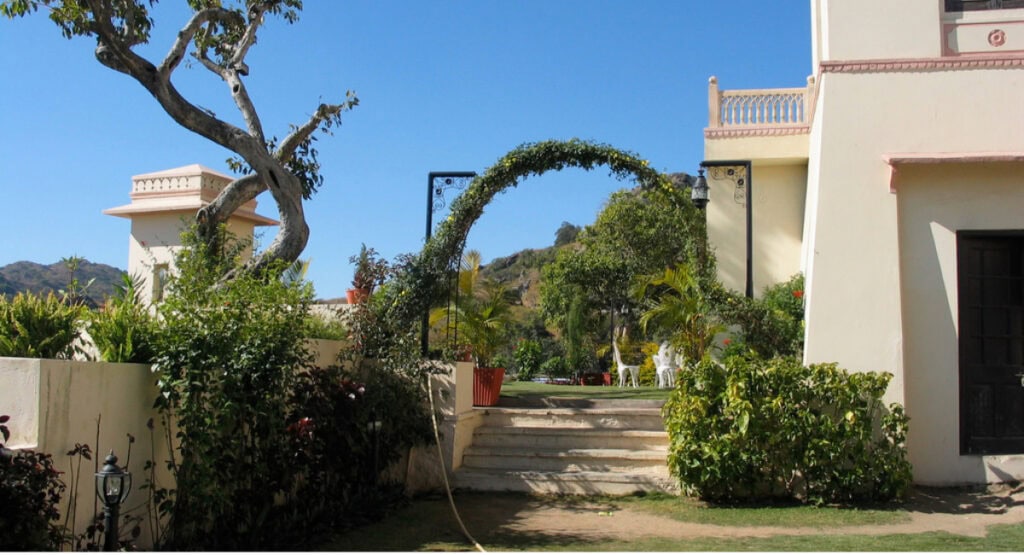
If you’re choosing Mount Abu specifically for a relaxing getaway, consider booking accommodation with a garden, terrace or mountain views. Having somewhere pleasant to spend time between sightseeing activities makes a difference, particularly during a longer trip.
Finish your first day with dinner at your hotel or head into town for a meal. Save the sightseeing for tomorrow.
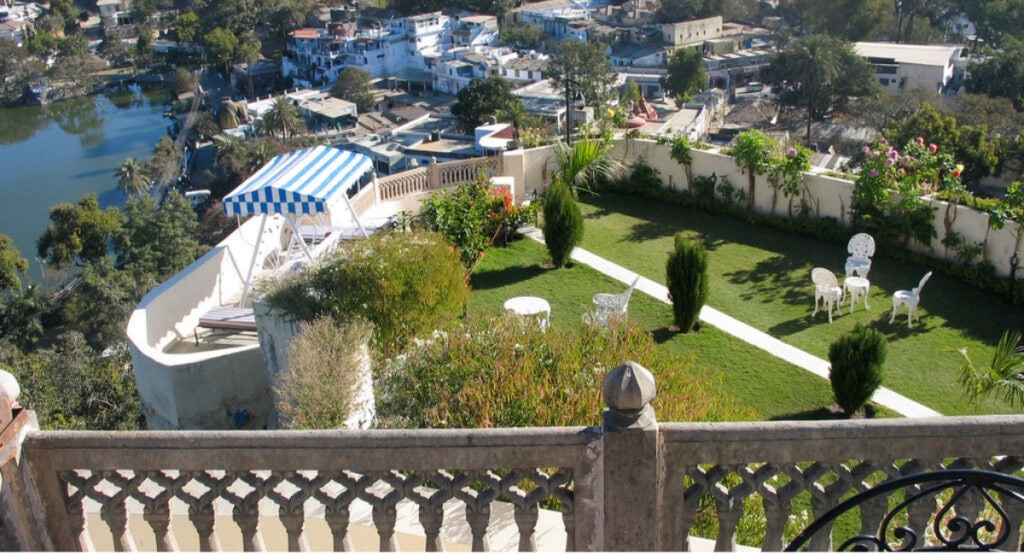
Check for Local Events Before Booking
Even smaller destinations can get surprisingly busy. Check for festivals, sporting events and public holidays before choosing your travel dates, particularly if you’re visiting Mount Abu for a quiet getaway.
Day 2: Marble Temples and Cultural Experiences
Enjoy a Leisurely Morning
There’s no need to set an early alarm on your second day in Mount Abu. The Dilwara Jain Temples generally open to sightseers at noon, giving you plenty of time to enjoy breakfast and the mountain scenery.
If you’re staying somewhere with beautiful gardens or a terrace, make the most of your surroundings before heading out.
Visit the Dilwara Jain Temples
If you visit only one cultural attraction in Mount Abu, make it the Dilwara Jain Temples.
Located approximately 2.5 kilometres from the town centre, this complex of five temples is celebrated for its extraordinary white marble architecture. The oldest temple, Vimal Vasahi, dates back to the 11th century.
As someone with a background in art history and interior design, I was particularly interested in the intricate carvings. I still remember the coolness of the marble and the astonishing amount of detail worked into the pillars, ceilings and decorative surfaces.
From the outside, the temples are relatively understated. It’s the craftsmanship inside that makes them so remarkable.
Look a Little Closer: Marble Craftsmanship
Look up at the carved ceilings of the Dilwara Jain Temples. Notice the concentric patterns, lotus motifs and intricately carved figures. The delicate carvings demonstrate just how much detail skilled artisans could achieve using marble.
Another memory that has stayed with me is watching Jain nuns carefully sweeping the ground in front of them as they walked to avoid accidentally stepping on insects. This reflects the Jain principle of ahimsa, or non-violence towards living beings.
Photography wasn’t permitted during my visit, so I purchased a small book about the temples instead. Unfortunately, I’ve lost it somewhere over the years.
Allow yourself at least an hour or two to appreciate the architecture and learn about the religious significance of the temples.
What to Know Before Visiting the Dilwara Jain Temples
- Admission: Free.
- Visitor hours: Sightseeing visits generally begin at noon. Confirm current closing times before your visit.
- Dress code: Wear clothing that covers your shoulders and knees.
- Photography: Photography is prohibited inside the temples.
- Personal belongings: Cameras, mobile phones and leather items may need to be left outside.
- Getting there: Arrange a taxi from your accommodation or the town centre.
Remember that these are active places of worship rather than simply historic monuments.
Plan Your Temple Visit Around Opening Hours
Morning access is primarily reserved for Jain worshippers. Plan your sightseeing visit for shortly after noon and confirm current visitor hours before setting out.
Optional Afternoon Activity: Visit Peace Park
If you’re interested in spending more time outdoors, consider visiting the Brahma Kumaris Peace Park.
Situated among the Aravalli hills, the park features landscaped gardens, rose gardens, an orchard and a collection of cacti and other plants.
It’s an optional addition to this Mount Abu itinerary if you enjoy gardens and quieter surroundings.
Alternatively, return to your hotel, enjoy a fresh lime soda and spend the remainder of the afternoon relaxing.
Finish the day with dinner in town or at your hotel.
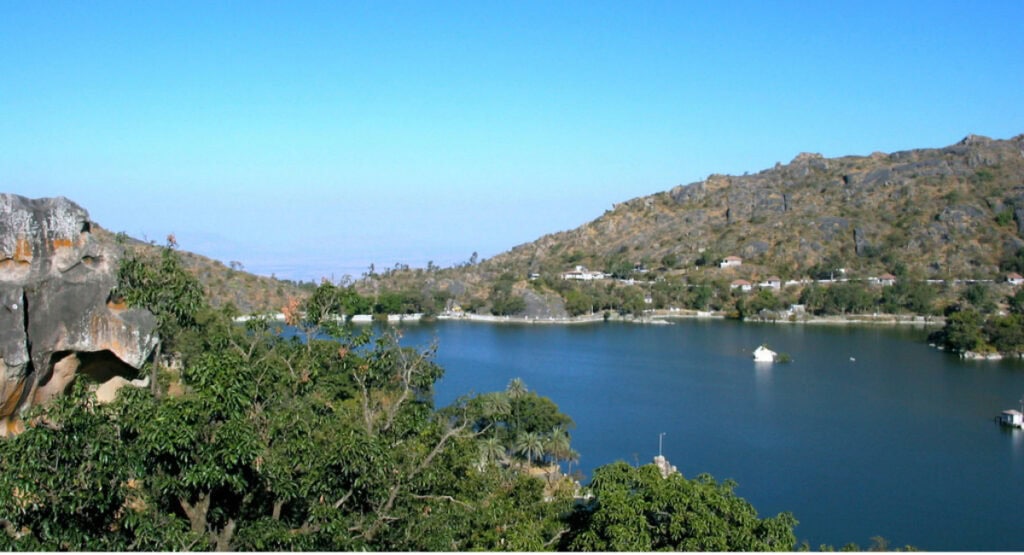
Day 3: Nakki Lake and a Relaxed Day in Town
Spend the Morning at Nakki Lake
Surrounded by rocky hills and greenery, Nakki Lake is one of the most scenic places to visit in Mount Abu.
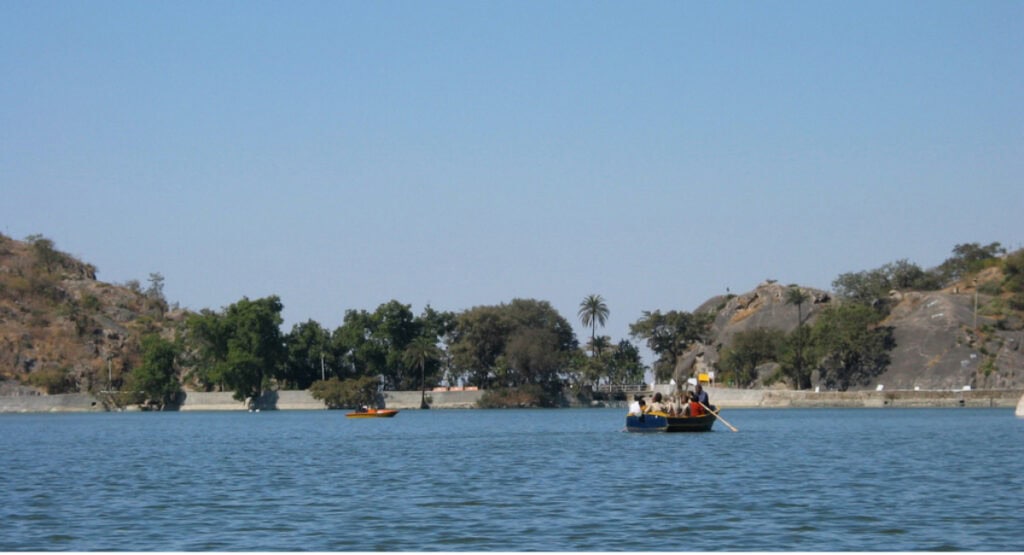
My best friend and I rented a swan-shaped pedal boat and spent some time out on the lake. After months of visiting historic monuments, museums and temples across India, it was fun to do something entirely different.
Being out on the water also gives you a different perspective of the surrounding hills and buildings.
If boating isn’t your thing, take a leisurely walk along the waterfront, find somewhere to sit or spend some time photographing the scenery.
I’d recommend visiting in the morning if you prefer a quieter atmosphere, particularly on weekends and public holidays.
Have Lunch and Browse the Local Shops
Spend some time in the market area near Nakki Lake, where you’ll find shops selling clothing, handicrafts, souvenirs and other locally available goods.
Rather than scheduling another sightseeing activity immediately after your lake visit, leave yourself time for a leisurely lunch.
One of the things my best friend and I particularly enjoyed throughout our India trip was ordering fresh lime sodas and fresh fruit drinks. Sitting down somewhere for a refreshing drink was often a welcome break from sightseeing.
If you’re travelling as a vegan, ask whether your meal contains ghee, butter, cream or other dairy products. Although vegetarian food is widely available in India, vegetarian doesn’t necessarily mean vegan.
Optional Soft Adventure: Visit Toad Rock
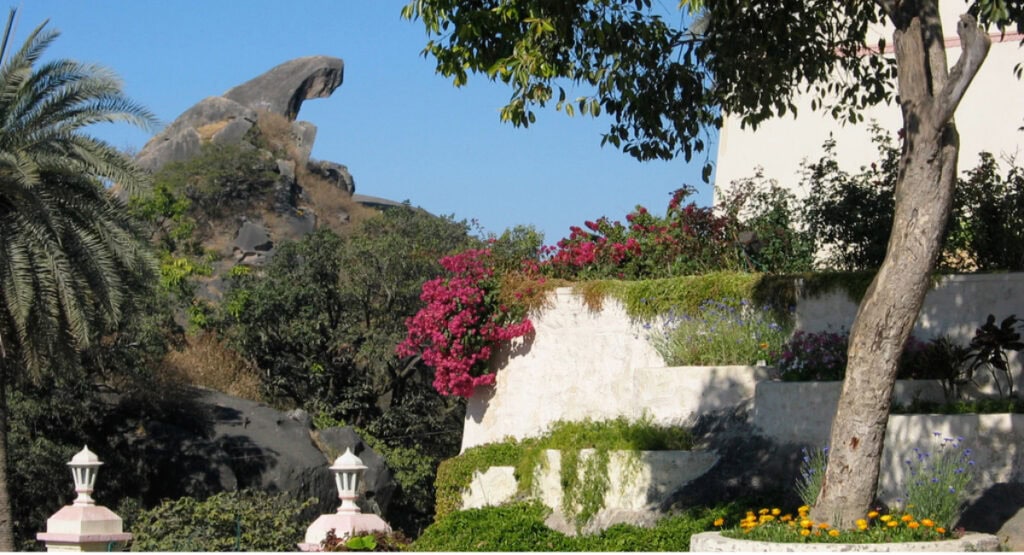
If you look towards the rocky hills surrounding Nakki Lake, you may spot an unusual rock formation resembling a toad poised to jump into the water.
Known as Toad Rock, it’s one of Mount Abu’s recognizable natural landmarks. I could see it from the gardens of The Jaipur House, framed by colourful flowers and greenery.
For those who feel up to a short climb, the viewpoint offers elevated views of Nakki Lake and the surrounding Aravalli mountains.
Reaching Toad Rock involves climbing steps and navigating rocky, uneven terrain. Wear shoes with good grip and take your time.
If climbing isn’t appealing or accessible to you, you can still appreciate the unusual rock formation from below.
Is the Climb to Toad Rock Worth It?
The viewpoint offers beautiful views over Nakki Lake, but reaching it involves steps and uneven terrain. If you have limited mobility or prefer gentler activities, enjoy the lakeside scenery instead.
Enjoy Your Final Evening in Mount Abu
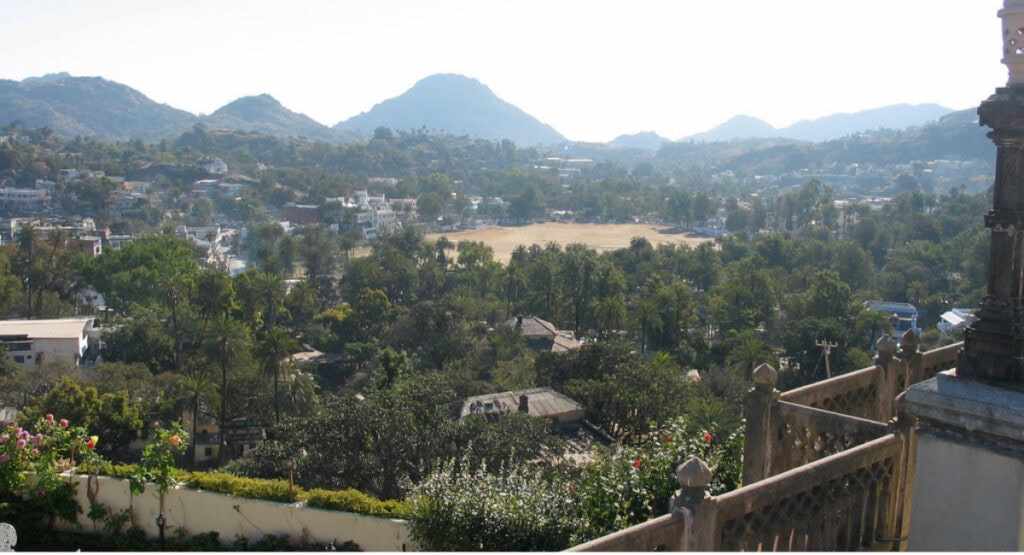
For your last evening, you could visit Sunset Point or return to your accommodation to enjoy the mountain scenery.
I wouldn’t feel obligated to squeeze in another attraction simply because it’s your final day.
What I appreciated most about Mount Abu was having time to enjoy my surroundings without constantly thinking about where I needed to go next.
Have a leisurely dinner, spend some time on your hotel terrace and enjoy one more evening in Rajasthan’s hill station before continuing your journey.

Where to Stay in Mount Abu
Choosing the right accommodation is particularly important if you’re visiting Mount Abu for a relaxing getaway. Rather than choosing a hotel purely based on price, consider its location, outdoor spaces and proximity to the places you want to visit.
For heritage accommodation: The Jaipur House, where I stayed, is a former royal summer residence overlooking Nakki Lake and the Aravalli mountains. Its historic architecture and hillside setting make it an interesting choice for travellers who appreciate accommodation with character.
For convenience: Look for accommodation near Nakki Lake if you want restaurants, shops and lakeside walks within easy reach.
For budget travellers: Mount Abu has smaller hotels and guesthouses. I recommend checking recent guest reviews and reserving accommodation before arriving, particularly on weekends and during local events.
How to Get to Mount Abu
Mount Abu is located in southern Rajasthan, near the border with Gujarat, making it a convenient addition to an itinerary that includes both Indian states.
Getting to Mount Abu by Train
The nearest railway station is Abu Road (ABR), approximately 28 kilometres from Mount Abu. From the station, continue to the hill station by taxi or bus.
My best friend and I travelled here from Ahmedabad before continuing our journey towards Delhi. Mount Abu worked particularly well as a break between these two larger cities.
When searching for railway tickets, enter Abu Road as your destination rather than Mount Abu. You can check schedules and reserve tickets through IRCTC, India’s official railway booking service.
Getting to Mount Abu by Road
Mount Abu is also accessible by bus or private vehicle from several cities in Rajasthan and Gujarat, including Ahmedabad and Udaipur.
If you’re arriving by private transfer, allow extra time for the winding mountain road leading up to the hill station.
Getting Around Mount Abu Without a Car
You don’t need to rent a car to follow this Mount Abu itinerary.
The area around Nakki Lake is convenient for walking between shops, restaurants and the waterfront. For attractions farther from the town centre, such as the Dilwara Jain Temples and Peace Park, arrange a local taxi or ask your hotel to organize transportation.
Keep in mind that Mount Abu is a hill station. Even relatively short distances can involve steep roads, steps and uneven surfaces.
If you prefer to conserve your energy for sightseeing, choosing centrally located accommodation or hiring a driver for part of the day can make your visit more comfortable.
Best Time to Visit Mount Abu
October to February is an excellent time to visit Mount Abu if you prefer cooler weather and comfortable conditions for sightseeing.
I visited during winter and remember clear blue skies, colourful flowers in the hotel gardens and pleasant conditions for spending time outdoors.
| Season | What to Expect |
|---|---|
| Winter (October–February) | Comfortable daytime temperatures and potentially chilly evenings. Good for cultural sightseeing and lakeside walks. |
| Summer (March–June) | Warmer temperatures and more visitors seeking relief from the heat of the surrounding plains. |
| Monsoon (July–September) | Rain, mist and greener mountain scenery, with potentially slippery walking paths and reduced visibility. |
If your priority is a quieter getaway, consider travelling midweek and avoiding major public holidays and festivals.
How Many Days Do You Need in Mount Abu?
I recommend spending two to three days in Mount Abu, depending on your interests and how much travelling you’ve been doing beforehand.
Two days will give you enough time to visit the Dilwara Jain Temples, spend time at Nakki Lake and appreciate the surrounding mountain scenery.
However, I recommend three nights if you’re travelling by train or including Mount Abu in a longer India itinerary. This lets you enjoy your accommodation, spread out your sightseeing, and avoid rushing between attractions.
Having spent three nights here myself, I was glad to have that extra time.
Frequently Asked Questions About Visiting Mount Abu
Is Mount Abu now called Abu Raj?
Yes. Mount Abu was renamed Abu Raj in 2026. You’ll still encounter the former name on travel websites, accommodation listings and railway planning resources, so it’s worth searching for both names when organizing your trip.
Is Mount Abu expensive to visit?
Mount Abu can accommodate different travel budgets. Travelling by train, choosing a budget guesthouse and enjoying activities such as lakeside walks and visiting the free-to-enter Dilwara Jain Temples can help keep costs down. Heritage hotels offer an opportunity to splurge if your budget allows.
Is Mount Abu suitable for vegan travellers?
Vegetarian food is widely available in this part of India, but you’ll need to check whether dishes contain dairy products such as ghee, butter, cream, yogurt or paneer. Jain vegetarian food can be another option to investigate, although Jain food is not necessarily vegan and may contain dairy.
Can you visit Mount Abu as a day trip?
It’s possible to visit Mount Abu on a day trip, but I recommend staying overnight. The journey up and down the mountain takes time, and part of the appeal of visiting a hill station is being able to enjoy its surroundings at a more leisurely pace.
Is Mount Abu Worth Visiting?
Mount Abu was exactly what I needed towards the end of my extended journey through India.
Rather than navigating another large city, I spent time appreciating the marble craftsmanship of the Dilwara Jain Temples, pedalling around Nakki Lake and enjoying the gardens and mountain views at a former royal residence.
What made this part of my trip memorable wasn’t how many attractions I managed to visit. It was having the time and energy to appreciate the places I did visit.
If you’re interested in experiencing a different side of Rajasthan, combining cultural sightseeing with gentle outdoor activities or simply taking a break during a longer journey through India, I recommend adding Mount Abu to your itinerary.
About this guide: This itinerary draws on my first-hand experiences and original photographs from my travels through India from several years ago, combined with updated travel planning research. The recommended itinerary reflects how I’d suggest spending three days in Mount Abu today.
If you have more time to spend in Rajasthan, consider combining your Mount Abu getaway with visits to the state’s historic cities, royal palaces and heritage hotels. My guide to luxury Rajasthan tours offers additional inspiration for planning a longer trip.
Plan Your Canadian Adventure
A few trusted resources I use and recommend:
- Booking.com (Hotels + Stays) – Find places to stay across Canada
Compare hotels, hostels, and vacation rentals using a handy map tool. - Discover Cars (Rental Vehicles) – Search Canadian car rentals
Easily compare prices from major rental companies for your road trip. - Busbud (Intercity Buses) – Book Canadian bus routes
Affordable bus travel between cities and small towns across Canada. - Viator (Tours & Activities) – Browse tours across Canada
From guided walks to scenic day trips, find local experiences worth booking. - Airalo (eSIM Cards) – Get a Canadian travel eSIM
Stay connected while you explore without needing a physical SIM card. - Safety Wing (Travel Insurance) – Explore travel insurance options
If you're visiting Canada from abroad, travel insurance is worth looking into. This platform helps you compare plans. (Not financial advice.)
