
Planning a Road Trip Around Outdoor Action Sports
A road trip built around outdoor action sports needs more planning than a standard sightseeing getaway. Your route has to account for activity schedules, bulky equipment, recovery time, and changing weather.
A realistic plan leaves enough room to enjoy each stop without spending the whole trip rushing between reservations. Before setting dates, review these practical tips for planning a British Columbia road trip since the same principles can help with adventure routes in many regions.
Mapping Out the Best Adventure Hubs
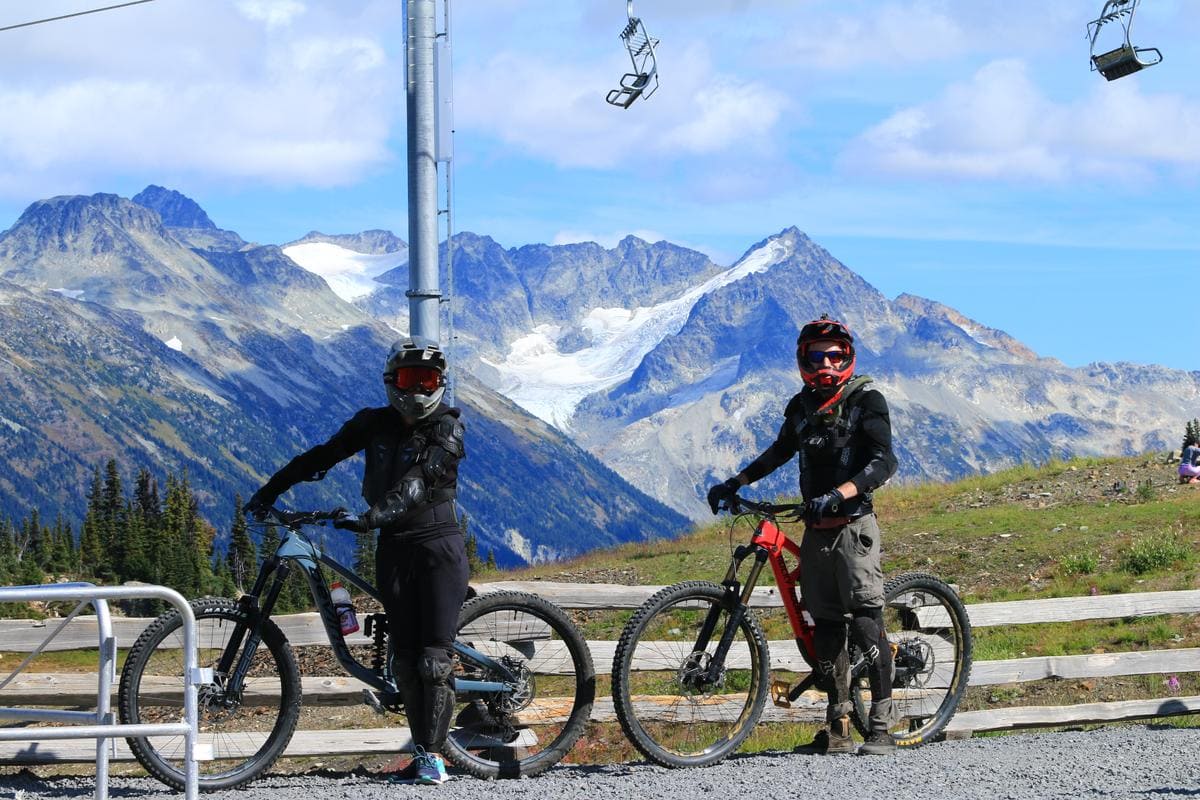
Start with two or three activity hubs that offer several experiences within a manageable area. A mountain town might provide bike parks, climbing centers, and whitewater outfitters, while a coastal base could put kayaking, surfing, and trail networks close together. This setup limits long drives after physically demanding days.
Check operating calendars before reserving accommodations. Some venues close midweek or run seasonal hours, and weather can affect access. The epic adventure planning guide offers useful ideas for turning a broad wish list into a workable plan.
Keep daily drives under three hours when possible and add one flexible half-day for delays, laundry, or an unexpected local activity.
Transporting Bulky Recreational Kits
Measure your equipment before deciding how to carry it. Bikes, boards, helmets, and protective clothing quickly fill a vehicle, especially when several people travel together. Use racks designed for your vehicle and check their weight limits, attachment points, and clearance before departure.
Store small items in labelled containers so gloves, chargers, and repair tools don’t disappear beneath larger bags. Keep wet clothing in a ventilated tote and never leave heat-sensitive gear in a hot vehicle for long periods. If you use a roof box, record its total height on a note near the dashboard.
That simple reminder can prevent trouble at garages, covered entrances, and low-clearance drive-throughs. Test the fully loaded setup on a short local drive before the trip.
Prioritizing Impact Safety on the Field
Review the safety requirements for every booked activity because one venue’s rules may differ from another’s. Inspect helmets, pads, straps, and fasteners under good light. Replace equipment with cracks, compressed padding, or damaged buckles, and confirm that each piece fits without shifting during quick movements.
For airsoft and other organized field activities, eye protection should meet the venue’s stated standard and sit securely with the rest of your setup. Participants who need compatible face coverage can consider tactical helmet lower face protection as part of a carefully fitted protective system. Follow the manufacturer’s instructions and complete a movement test before play.
The federal recreation resource on outdoor adventure safety also recommends checking conditions, carrying suitable supplies, and sharing plans. Save venue contacts offline in case mobile service drops.
Staying Rested Between High-Energy Days
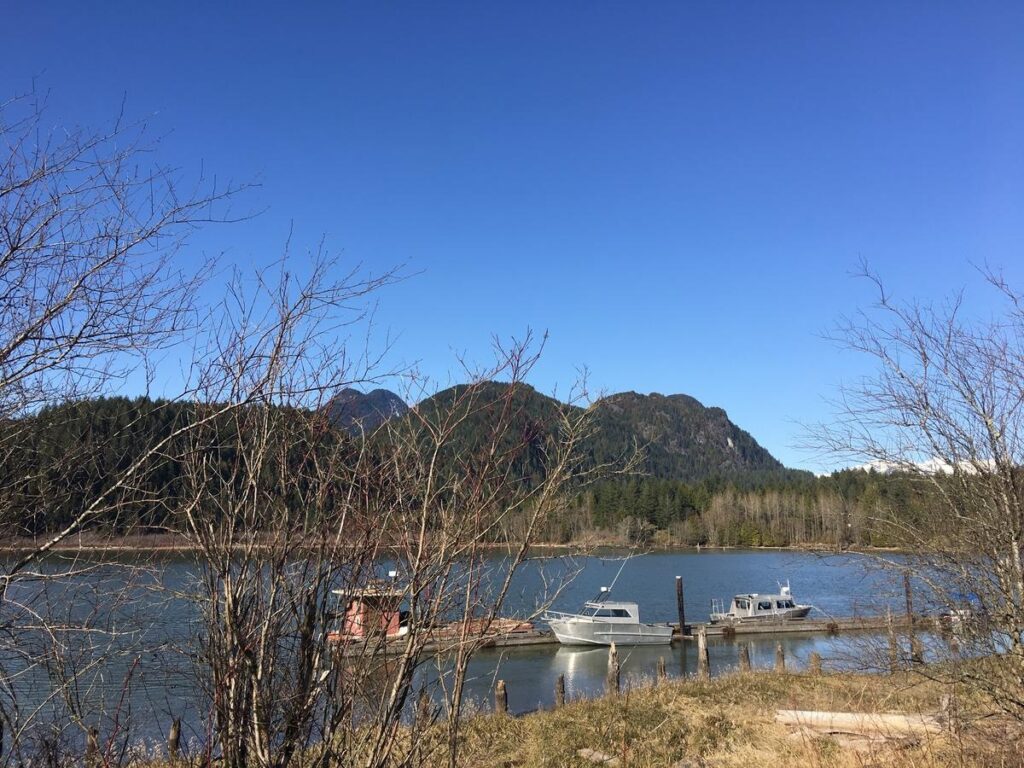
Alternate demanding sessions with lighter activities. For example, place a full day at a bike park before a gentle lakeside walk, scenic drive, or recovery morning. Scheduling three intense days back to back can leave you tired enough to lose focus, which affects both enjoyment and safe decision-making.
Choose lodging that makes recovery easy. Secure equipment storage, laundry access, and a quiet room can matter more than a long list of extras. Pack simple snacks with carbohydrates and protein, refill water throughout the day, and eat a proper meal after each session.
Aim for a consistent bedtime even when the group wants to stay up planning tomorrow. If soreness changes how you move or fatigue affects concentration, shorten the next session instead of forcing the original schedule.

Leave your final morning open and pack most of the vehicle the night before. You’ll have time to check racks, gather drying equipment, and start the drive home without turning departure into another endurance event.
That unhurried final check is often what keeps a memorable adventure trip from ending with lost gear or an avoidable detour.
Plan Your Canadian Adventure
A few trusted resources I use and recommend:
- Booking.com (Hotels + Stays) – Find places to stay across Canada
Compare hotels, hostels, and vacation rentals using a handy map tool. - Discover Cars (Rental Vehicles) – Search Canadian car rentals
Easily compare prices from major rental companies for your road trip. - Busbud (Intercity Buses) – Book Canadian bus routes
Affordable bus travel between cities and small towns across Canada. - Viator (Tours & Activities) – Browse tours across Canada
From guided walks to scenic day trips, find local experiences worth booking. - Airalo (eSIM Cards) – Get a Canadian travel eSIM
Stay connected while you explore without needing a physical SIM card. - Safety Wing (Travel Insurance) – Explore travel insurance options
If you're visiting Canada from abroad, travel insurance is worth looking into. This platform helps you compare plans. (Not financial advice.)
