
Things to Do in Manning Park: A Year-Round Weekend Guide from Vancouver
Need a weekend away that actually lets you breathe?
A weekend trip to Manning Park offers quiet trails, snowy forests, starry skies, and alpine lakes—without the Whistler chaos.
If you’re feeling overwhelmed by busy parks and burnt out by city noise, you’re not alone. I’ve visited Manning Park in both summer and winter, and spent hours researching its best trails, cabins, and dark sky weekends.
This guide covers the top things to do year-round—from snowshoeing and skiing to hiking, camping, and stargazing—plus tips for when to go and where to stay.
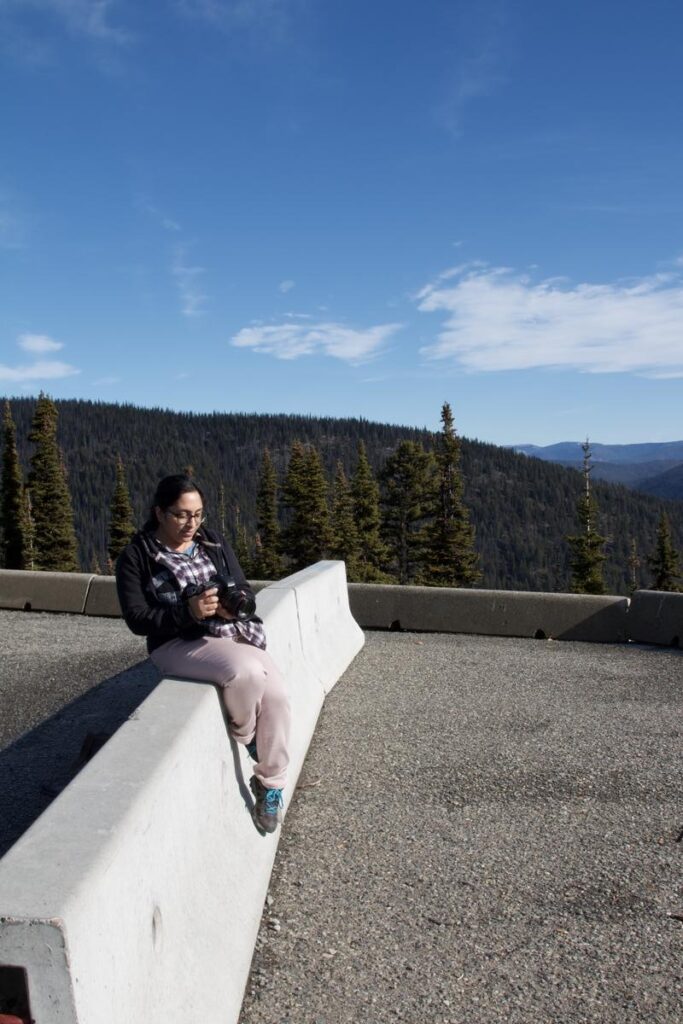
Quick Answer: Is Manning Park Worth Visiting?
Yes, Manning Park is worth visiting if you want a quieter mountain getaway from Vancouver with hiking, lakes, wildflowers, snowshoeing, skiing, camping, and dark skies without the full Whistler-level production.
Manning Park sits within the Hope, Cascades & Canyons region, where Highway 3 pulls you from the Fraser Valley into mountain passes, forested trails, and quieter alpine scenery.
It’s best for travellers who like slower nature trips, simple cabins, quiet trails, and outdoorsy weekends that don’t require a packed itinerary. If you want nightlife, fancy restaurants, or a polished resort experience, this probably isn’t your place.
But if you want alpine lakes, snowy forests, summer wildflowers, and enough space to hear yourself think again, Manning Park is absolutely worth the drive.
Best Things to Do in Manning Park by Season
| Season | Best For | Top Things to Do |
|---|---|---|
| Summer | Hiking, camping, wildflowers, lake time | Heather Trail, Lightning Lake Loop, Rhododendron Flats, Canoeing, Stargazing |
| Fall | Quiet trails, golden colours, fewer people | Lightning Lake walks, Short hikes, Cabin stays, Crisp stargazing nights |
| Winter | Snowshoeing, skiing, cabins, cosy weekends | Lightning Lake snowshoeing, Cross-country skiing, Downhill skiing, Cabin stays |
| Spring | Solitude, early greenery, lower-elevation trails | Rhododendron Flats, Short forest walks, Peaceful road trips, Shoulder-season stays |
Summer in Manning Park: Quiet Trails, Alpine Blooms, and Starry Nights
Forget the summer crowds at Joffre or Garibaldi—Manning Park is where the real slow-travel magic happens.
Alpine hiking here means wildflower meadows, ridge views, and peaceful trails that don’t require a 5 a.m. start just to find parking.
- Heather Trail is a classic for a reason. It’s at its best from mid-July to early August, when the meadows explode with colour. You don’t need to do the whole trail—even a short out-and-back from the upper lot is worth it.
- Skyline Trail offers sweeping ridgeline views and real backcountry vibes. It’s a commitment, though—best for experienced hikers or those keen to set up a car shuttle.
- Rhododendron Flats Trail is short, sweet, and surprisingly rare. In late June to early July, wild Pacific rhododendrons bloom here—something you’ll barely find elsewhere in BC.
- Lightning Lake Loop is mellow, scenic, and perfect for an evening stroll or a picnic stop. Great for beginners or just stretching your legs after the drive.
Bring a blanket, pick a spot by Lightning Lake or up at Cascade Lookout, and stay up late for meteor showers or just some quiet time under the stars.
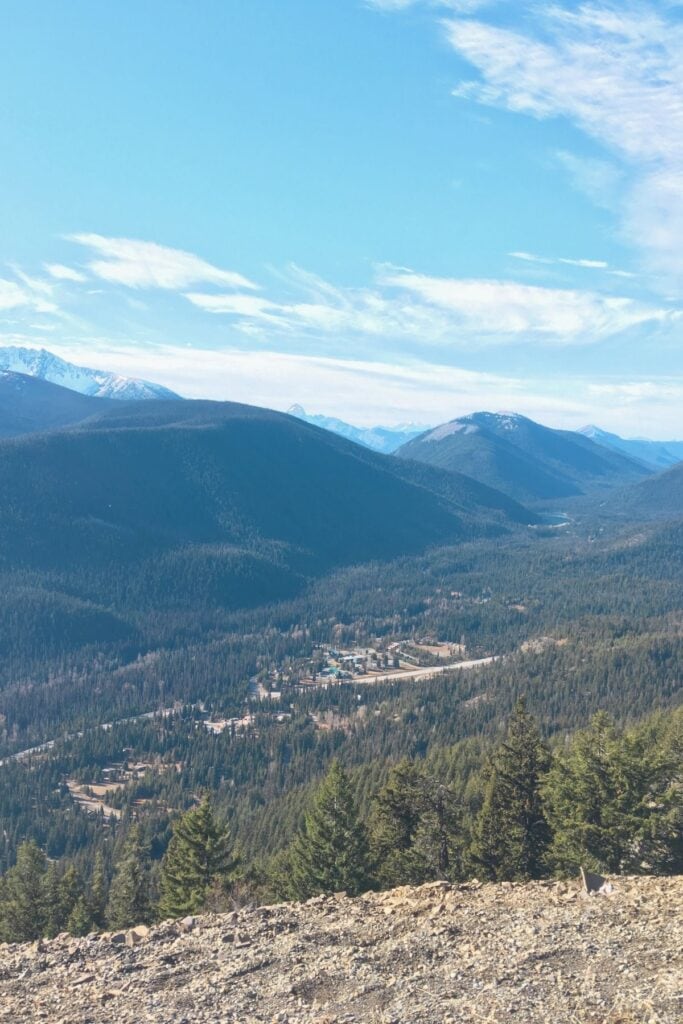
Camping and Accommodation in Manning Park
If you want to stay overnight in Manning Park, you’ve got options—whether you’re into rustic tent camping, comfort-first cabin stays, or something in between.
Camping at Manning Park is one of the easiest ways to slow down and truly enjoy the park after the day-trippers clear out. There are four main campgrounds:
- Lightning Lake: The most popular campground, close to canoe rentals and walking trails. Great for stargazing and morning coffee by the water.
- Hampton: A bit more rugged and quieter, tucked into the trees just off Highway 3.
- Coldstream and Mule Deer: Smaller, often less busy, and still within reach of Lightning Lake and other trailheads.
Sites book up fast in summer, especially on stargazing weekends. You’ll want to reserve through BC Parks as soon as bookings open.
If you’re not keen on camping, Manning Park Resort offers:
- Cabins and lodge rooms with simple amenities and easy access to everything.
- Group cabins if you’re heading up with friends or family.
- Pet-friendly options, though not in all units.
Whether you’re pitching a tent or crashing at the lodge, staying overnight means you get to enjoy the park’s quieter side: misty morning walks, late-night skies, and a lot more space to yourself.
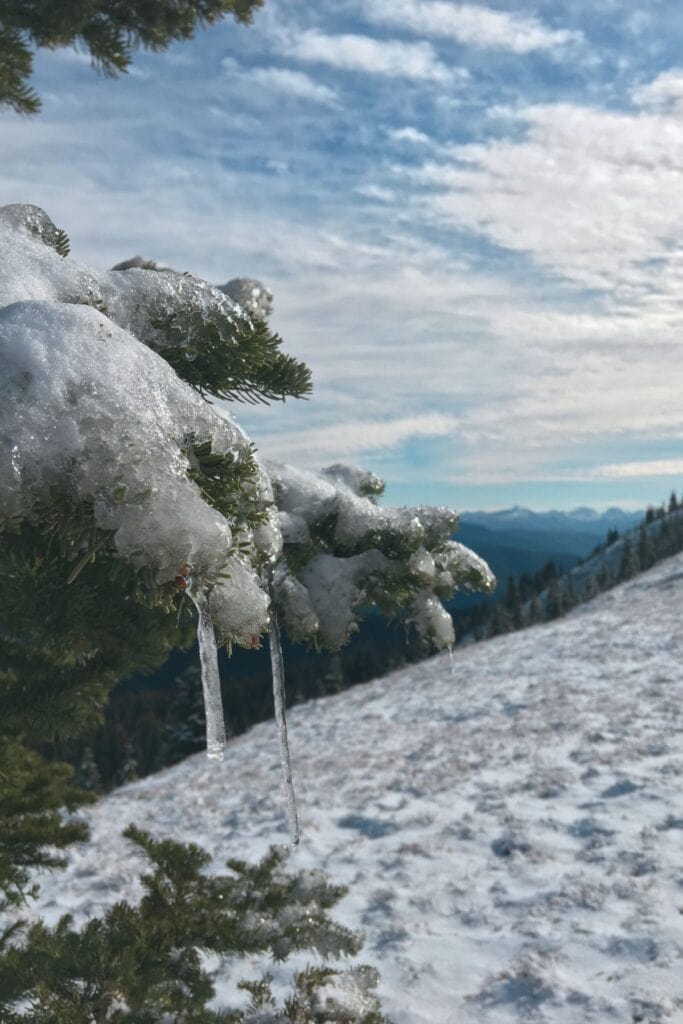
Winter in Manning Park: Snowshoe Trails, Ski Days, and Cozy Cabin Nights
If winter sports usually mean traffic jams, long lines, and overpriced hot chocolate, Manning Park is your reset button.
It’s the kind of place where you can snowshoe across a frozen lake without seeing another person, then warm up in a cabin with your thermos of soup and a good book. I’ve visited in winter, and it’s hands-down one of the most peaceful places I’ve found in southern BC.
Snowshoeing is the sweet spot here.
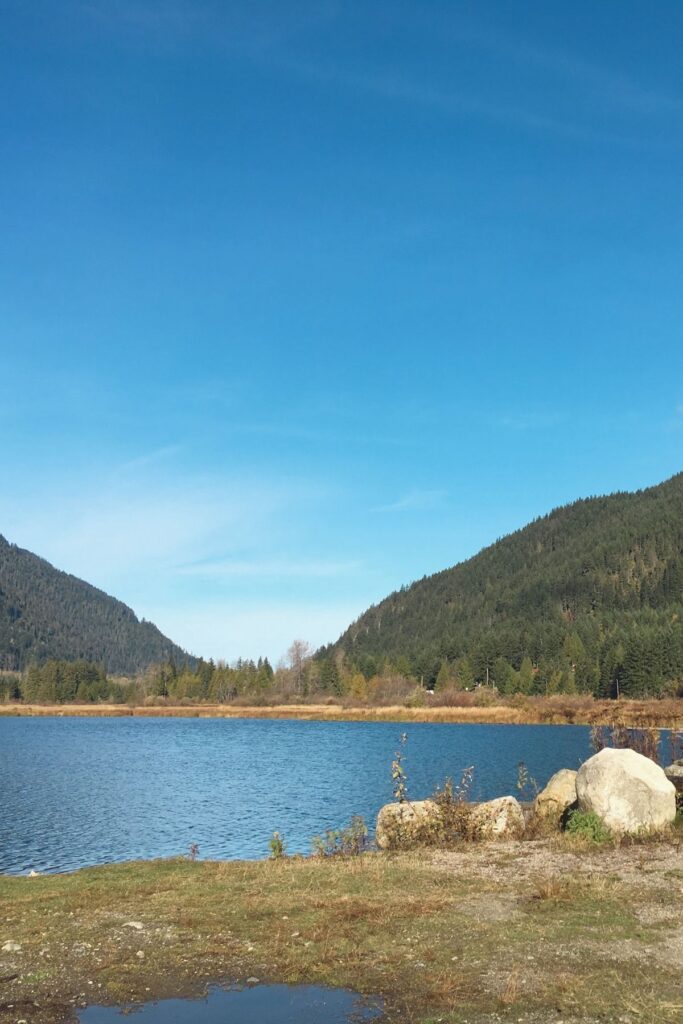
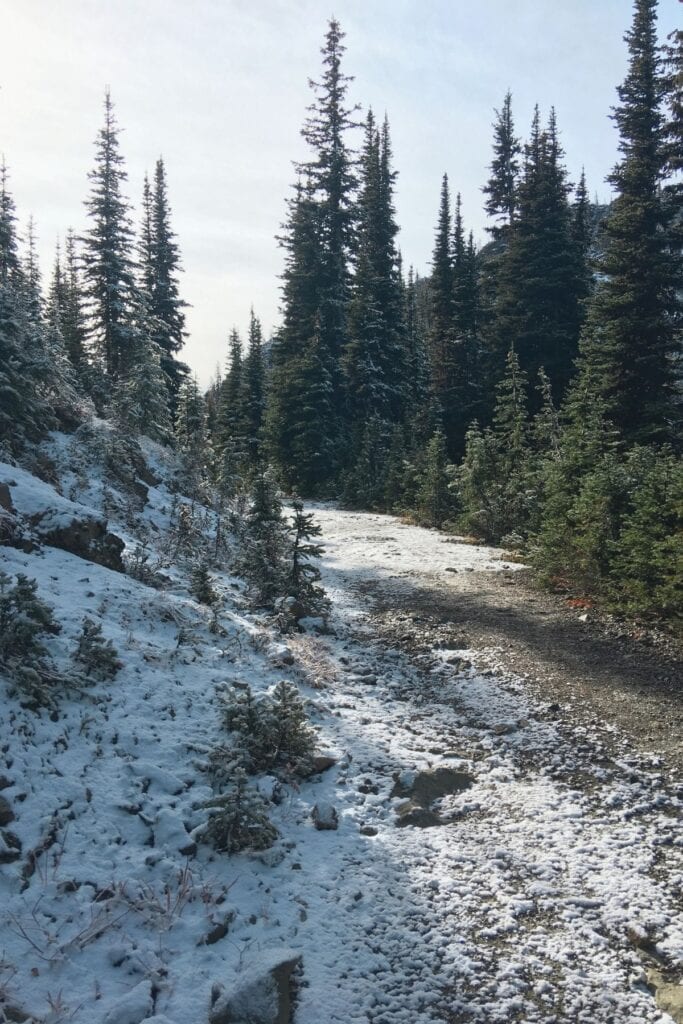
The Lightning Lake Loop is my top pick—flat, quiet, and stunning in the snow. The trail curves around the lake and through the trees, and if you time it right, the light just before sunset is ridiculous. If you want something longer, the Similkameen Trail starts nearby and has fewer footprints.
Whether you’re out there for the skiing, snowshoeing, or just the quiet, Manning in winter feels like a secret—and it’s one worth keeping.
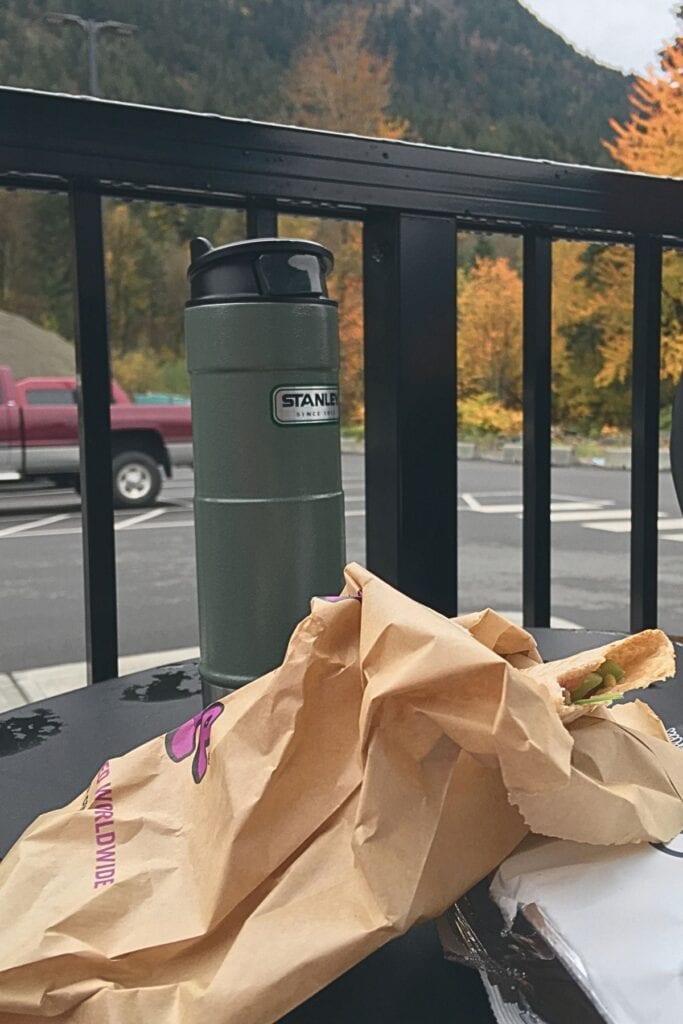
Shoulder Seasons: Spring and Fall in Manning Park
If summer feels too busy and winter feels too cold, Manning Park in spring or fall might be your sweet spot.
I haven’t stayed overnight in shoulder season yet, but I’ve done the drive and spent time in the park when the weather was unpredictable, and the trails were nearly empty.
These seasons aren’t about checking off hikes or rushing between activities—they’re about slowness, solitude, and that quiet reset so many of us need.
Spring (late April to early June) brings early greenery, melting snow, and fewer people. Lower elevation trails like Rhododendron Flats start to come alive, especially in June when the wild rhododendrons bloom—something you won’t find in many other parts of BC.
Fall (late September to mid-October) is crisp, golden, and calm. The trees around Lightning Lake and throughout the park shift into orange and yellow, and the air just feels… clean. It’s a good time for reflection walks, short hikes, and stargazing under colder but crystal-clear skies.
Cabins are easier to book in these seasons, and the campgrounds are blissfully quiet—if you don’t mind layering up.
If you’re the kind of traveller who doesn’t mind a bit of mist on your jacket or the possibility of changing plans based on weather, shoulder season in Manning Park is a vibe. Bring a book, a blanket, and leave the schedule behind.
Stargazing and Astrophotography in Manning Park
Manning Park is one of the best places near Vancouver for dark-sky viewing. E.C. Manning Provincial Park is situated along the “Dark Sky Highway” (BC Highway 3), an area known for pristine stargazing about 3 hours from Burnaby.
It’s known for astronomy weekends, clear mountain skies, and far less light pollution than you’ll find closer to the city. Key viewing spots include Cascade Lookout (about 8 km up Blackwell Peak Road) and the Sub-alpine Meadows parking lot, both offering wide-open views of the night sky.
Where to go:
- Lightning Lake is the easiest access point. Just walk a few minutes past the main day-use area to get away from lights.
- Cascade Lookout is another favourite, especially for night-sky photographers. You’ll want a tripod and a headlamp with a red light filter.
- If you’re camping or staying in a cabin, step outside around midnight—no need to hike anywhere at all.
When to go:
- August is ideal for the Perseids meteor shower, and the weather’s still warm enough for lying on a picnic blanket.
- The resort sometimes hosts astronomy weekends with telescopes and guides. These sell out quickly, so plan ahead.
Photography tips (if you’re just starting out):
- Use a DSLR or mirrorless camera with manual settings.
- Wide-angle lens, lowest f-stop you’ve got.
- ISO between 1600–3200, shutter speed around 20 seconds.
- Bring extra batteries. It gets cold fast, even in August.
Even if you’re not into photography, there’s something grounding about standing in that kind of silence, staring into the same sky our ancestors used to navigate.
This isn’t just another thing to do—it’s a reason to stay overnight.
Planning Tips and Insider Info for Your Manning Park Getaway
How to Get There
- Drive time from Vancouver: Around 2.5 to 3 hours via Highway 1 and Highway 3 (Crowsnest Pass). Add time in winter.
- Closest town for fuel + groceries: Hope, BC. Last real stop before heading into the park.
Where to Stay
- Camping: Book via BC Parks well in advance—especially for Lightning Lake in summer or long weekends. Sites open for reservations two months ahead.
- Cabins + Lodge Rooms: Manning Park Resort is your only on-site option. They have:
- Cabins (most private, with kitchens and fireplaces)
- Chalet and Lodge rooms (simpler, some pet-friendly)
- Book directly through manningpark.com
- For a quieter stay, try visiting midweek or outside peak holidays.
Where to Eat (Vegan-Friendly Notes)
- The Pinewoods Dining Room at the resort has very limited vegan options. You can usually get a salad or modified pasta, but it’s best to bring your own.
- Stop in Hope for groceries or vegan-friendly snacks. The Save-On-Foods and Blue Moose Coffee House are solid options for plant-based eats.
- If you’re camping or staying in a cabin, bring a cooler, meal plan, and your go-to trail snacks. Think: overnight oats, wraps, soups you can reheat, and plenty of water.
Best Time to Visit Manning Park
- The best time to visit Manning Park depends on what kind of trip you want.
- For hiking, wildflowers, camping, and lake time, visit from July to early September. High-elevation trails can hold snow into late June or early July, so don’t assume every alpine route will be clear just because Vancouver is already in iced-coffee mode.
- For winter activities, December to March is usually the best window for snowshoeing, cross-country skiing, downhill skiing, and cabin stays. Manning Park Resort runs winter activities through the ski season, but always check current snow conditions before driving out.
- For fewer people, try late spring or fall. You’ll need to be flexible with weather, but that’s part of the appeal if you want quiet trails, moody forests, and a weekend that feels more like a reset than a production.
Connectivity + Essentials
- No cell service in most of the park, including around the resort. Download maps and trail info ahead of time.
- There’s Wi-Fi at the lodge, but it’s slow—perfect excuse to unplug.
- Bring layers year-round, bear spray in summer, and always pack out your trash.
FAQs About Visiting Manning Park
Is Manning Park good for beginners?
Yes. Whether you’re hiking, skiing, or snowshoeing, there are plenty of beginner-friendly trails and activities. Lightning Lake is especially good for a first visit.
Do I need a park pass or reservation?
No day pass is required to visit. You’ll only need a reservation if you’re camping or booking a cabin. Parking is free throughout the park.
Is Manning Park open year-round?
Yes, but accessibility depends on the season. In winter, some areas require snow tires or chains. Most trails are hikeable from late spring to early fall.
Tips for Visiting Manning Park
- Go for the space and quiet
Manning Park is best if you’re looking for a slower, less crowded mountain experience. It’s not flashy, but that’s exactly why it works. - Pick your season intentionally
Summer is great for hiking and lakes, while winter is ideal for snowshoeing, skiing, and cozy cabin stays. Each season feels completely different, so plan based on what you want to do. - Keep your plans flexible
You don’t need a packed itinerary here. Leave room to wander, stop at viewpoints, or just sit by the lake. - Pack layers
Weather can change quickly in the mountains, even in summer. Bring extra layers so you’re comfortable throughout the day. - Bring your own snacks and food
Options in the park are limited, so it’s best to pack what you need for the day (and then some).
I recommend this collapsible picnic basket because it makes it easier to pack real food for road trips, beach days, and park lunches without everything ending up warm, leaky, or crushed. - Check road and weather conditions before you go
Especially in winter, conditions can shift quickly. Make sure you’re prepared for snow, ice, or closures. - Stop in Hope on the way
It’s the last convenient place for gas, groceries, and coffee before heading into the park. - Don’t overthink it
You don’t need to be super outdoorsy to enjoy Manning Park. Just show up, take it slow, and enjoy the scenery.
Plan Your Canadian Adventure
A few trusted resources I use and recommend:
- Booking.com (Hotels + Stays) – Find places to stay across Canada
Compare hotels, hostels, and vacation rentals using a handy map tool. - Discover Cars (Rental Vehicles) – Search Canadian car rentals
Easily compare prices from major rental companies for your road trip. - Busbud (Intercity Buses) – Book Canadian bus routes
Affordable bus travel between cities and small towns across Canada. - Viator (Tours & Activities) – Browse tours across Canada
From guided walks to scenic day trips, find local experiences worth booking. - Airalo (eSIM Cards) – Get a Canadian travel eSIM
Stay connected while you explore without needing a physical SIM card. - Safety Wing (Travel Insurance) – Explore travel insurance options
If you're visiting Canada from abroad, travel insurance is worth looking into. This platform helps you compare plans. (Not financial advice.)
