Packing List for a Mountain Vacation in Canada (All Seasons)
Not sure what to bring for a mountain trip in Canada? I’ve packed for every kind of trip — from soggy spring hikes in BC’s Columbia Valley to summer weekends in Jasper, golden larch season in Banff, and snow-packed days in Whistler.
This packing list for a mountain vacation in Canada pulls from years of real trips, so you’ll know exactly what to bring (and what to leave behind) no matter the season.

⭐️⭐️⭐️⭐️⭐️
The North Face Carto Triclimate Jacket
✅ 3-in-1 layering system
✅ Rain + snow protection
✅ Ideal for Canadian weather
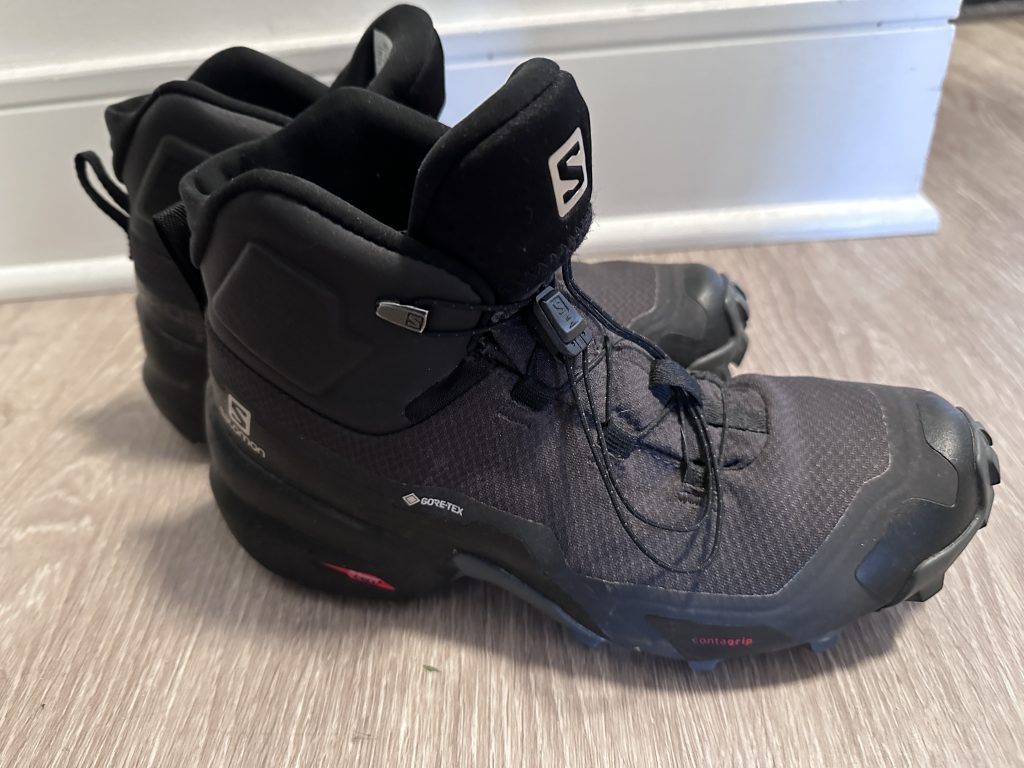
Salomon X Ultra Pioneer Mid Boots
✅ Waterproof and breathable
✅ Reliable ankle support
✅ Excellent traction


1. Essentials That Work (and Look Good) in the Mountains
Base layers you don’t hate wearing — Lululemon Align pants work well for road trips and short walks. They’re buttery soft, hold up to long drives, and don’t bag out.
A fleece or vest for layering — I like having both in spring and fall. This Columbia fleece zip-up and the matching vest work great over t-shirts or under rain jackets.
Shoes that can handle damp trails or rocky paths — My go-to are these KEEN Newport sandals for summer. I’ve worn them in mountain towns, by waterfalls, and even around lake campsites.
A compact chair for scenic stops — This portable camp chair lives in my car. It’s perfect for lakeside picnics, forest rest stops, or anywhere you don’t want to sit in the dirt. (If you’re planning a road trip to the mountains, here’s my full list of car road trip essentials I always pack.)
I keep my compact chair in the car at all times — you’ll see why in my full road trip essentials post.
One jacket that works year-round — I use this North Face Triclimate in all four seasons across Canada. The insulated liner is perfect for crisp mornings or breezy summer hikes. The waterproof shell handles spring showers or windy fall days. Worn together, it’s warm enough for snowy winter road trips — especially layered over a flannel or fleece. It’s one of the most versatile pieces I pack.
2. What to Wear in the Mountains (Outfit Ideas for Every Season)
Looking comfortable and feeling confident on the trails doesn’t mean sacrificing style. These simple outfit ideas cover all four seasons in Canada’s mountain regions — from spring hikes to winter walks. Use this as a guide to pack smarter and skip the overpacking regret.


Spring Outfit Idea
- Waterproof jacket with a removable liner (e.g. The North Face Triclimate)
- Stretch hiking pants or leggings
- Plaid or button-up long-sleeve shirt (synthetic or flannel)
- Light hiking boots (e.g. Salomon X Ultra Pioneer)
- Toque or headband for chilly mornings
Summer Outfit Idea
- Lightweight tee or tank top
- Hiking shorts or cropped leggings (e.g. Lululemon Align)
- Packable vest (e.g. Columbia Benton Springs)
- Closed-toe sandals or breathable trail shoes (e.g. KEEN H2s)
- Sunglasses and a brimmed hat
If you’re planning on tackling summer hikes around Whistler, breathable layers and moisture-wicking socks are non-negotiables.

Fall Outfit Idea
- A layered long-sleeve shirt or base layer
- Fleece or zip-up mid-layer (e.g. Columbia Sequoia Grove)
- Insulated vest or jacket liner
- Stretch hiking pants
- Waterproof hiking boots
- Gloves for early mornings

Winter Outfit Idea
- Waterproof outer shell + insulated liner (Triclimate or similar)
- Long-sleeve thermal shirt
- Midweight sweater or fleece
- Fleece-lined leggings or snow pants
- Warm boots with grip
- Gloves, toque, and scarf or neck gaiter
You can still stay warm and dry even if you don’t have snow pants — I’ve shared some easy swaps that work just as well.
There’s no need to ski to enjoy the snow — there are plenty of things to do in Whistler beyond skiing, so pack for winter walks and village wandering.
If your trip includes skiing, check out my full ski-specific gear checklist to make sure nothing’s left behind.
3. Footwear & Daypacks

These are two of the most overlooked—but most important—parts of your mountain trip. The wrong shoes or bag can ruin your day fast. Here’s what I always pack:
Footwear
- Waterproof hiking boots for rough or wet trails
(e.g. Salomon X Ultra Pioneer) - Trail runners or breathable shoes for easier summer hikes
- Closed-toe water sandals for lake days or hot, flat trails
(e.g. KEEN Newport H2) - Cozy camp shoes or slides for walking around your lodge or campsite

Daypacks
- Daypack with chest + waist straps for balance on steep terrain
- Built-in hydration sleeve or space for a water bottle
- A rain cover or waterproofing spray to protect valuables
- Inner pocket or clip for keys, wallet, phone
Optional but handy:
- Small zip pouch or sling bag for towns or cafés
- Collapsible tote bag for groceries or snacks

4. Tech & Safety Gear
Even for short mountain getaways, these small items can make a big difference—whether for capturing memories, staying charged, or dealing with surprises.
Essentials
- Compact tripod for solo travel photos or stable video
(e.g. Ultralight model with Bluetooth remote) - Portable phone charger or power bank for long hiking days
- Universal charging cable with USB-C + Lightning tips
- Car charger with multiple ports
- Offline GPS app or preloaded maps in case of no signal
- Waterproof phone pouch for rainy hikes or kayaking
Bringing a cooler and your own gear helps save money while travelling, especially if you’re sticking to a budget on your mountain trip.
Safety & Prep
- Small first aid kit for cuts, bug bites, blisters, and motion sickness
(Keep this in your daypack at all times) - Headlamp or mini flashlight for early mornings or emergencies
- Reusable whistle or mirror for signalling
- Bear bell or noise maker for remote hikes
- Travel insurance details printed or saved offline
- Car emergency kit with jumper cables, thermal blanket, etc.
(Even for summer road trips in Canada—it’s worth it)
5. Toiletries & Personal Items
Mountain weather and remote areas can make the basics feel extra important. These essentials help you stay clean, comfortable, and prepared, without overpacking.
Must-Haves
- Sunscreen (even in spring or fall — higher elevation = stronger UV)
- Bug spray or mosquito wipes for lakeside or wooded areas
- Lip balm with SPF (dry mountain air cracks lips fast)
- Travel-sized face + body wipes (handy when showers aren’t)
- Refillable travel bottles for shampoo, conditioner, and soap
- Toothbrush + toothpaste
- Deodorant (stick or wipes work well)
- Hairbrush or comb
- Hair ties or clips (especially for windy ridge hikes)
Good-to-Bring Extras
- Tissues or a toilet paper roll in a ziplock bag
- Dry shampoo or leave-in conditioner
- Period supplies (even if you don’t think you’ll need them)
- Hand sanitizer
- Nail clippers and tweezers
- Basic medications (pain relief, allergy, stomach upset)
6. Helpful Info Before You Pack
Even the best packing list can fall short if you’re not prepared for local weather, terrain, or driving conditions. Here’s what I check before every mountain trip in Canada:
🏔️ Weather in the Mountains
- Weather changes fast — even in summer, you might wake up to frost or wind chill at higher elevations.
- Check conditions daily using:
- WeatherCAN (Environment Canada) – detailed forecasts and alerts
- Mountain Forecast – elevation-specific weather for popular peaks
🚘 Driving & Road Conditions
- Mountain roads may have wildlife, potholes, or poor visibility, especially in spring and fall.
- Before your trip, check:
- DriveBC – live highway conditions, closures, and webcams
- Alberta 511 – for the Rockies and beyond
🥾 Common Mountain Activities
Packing for the right mix of activities helps you avoid overpacking (or forgetting something essential):
- Easy nature walks (paved or gravel)
- Moderate day hikes
- Scenic drives and roadside picnics
- Waterfall or lake visits
- Photography stops
- Skiing or snowshoeing (seasonal)
Lightweight layers are perfect if you’re exploring trails around Hope, BC, where the weather can shift from misty to sunny quickly.
If you plan to hike, swim, or take the gondola, layers and supportive shoes matter more than looking trendy. But with the right pieces, you can still feel photo-ready for those summit selfies.
If your mountain trip includes beach time or paddling, my packing list for a lake day breaks down what to bring so you’re not caught unprepared.
Need a quick fuel cost estimation?
Get the FREE Budget Road Trip Fuel Cost Calculator
- Your handy tool for crunching fuel costs in km or miles, and in CAD or USD.
- It takes the stress out of budgeting for your adventure, so you know what to expect at the pump.
- Give it a whirl and hit the road with confidence!

Are you tired of rushing through someone else’s bucket list? Curious about how slow travel and nature connection can transform your adventures and mindset? Sign up for the free 5-Day Nature Connection Challenge to start embracing a slower, more intentional way of exploring the world and reconnecting with nature.
FAQs About Packing for a Mountain Vacation
What should I wear for changing mountain weather?
Always pack layers. A zip-in jacket, base layer, and fleece or vest cover most conditions without overpacking.
Do I need hiking boots, or can I wear sneakers?
Light hiking boots offer better grip and ankle support, especially on uneven or muddy trails. They’re worth bringing.
Are there bears or wildlife in the mountains?
Yes. Stay alert, don’t leave food out, and check Parks Canada’s safety info.
What’s the best time to visit the Canadian mountains?
June to mid-October is great for hiking. Winter is ideal for snow activities. Pack based on elevation and activity type.
Mountain Safety Tips
- Don’t rely on cell service — download offline maps or bring a GPS.
- Let someone know your route, even for short hikes.
- Keep a first aid kit, whistle, and flashlight in your day bag.
- Check local fire bans and trail updates before heading out.
- Drink more water than you think you need — high altitudes dehydrate fast.
Save This for Later 📌
Pin this packing list to your Canada travel or outdoor gear board so it’s handy when you’re ready to start packing.

More Articles to Help You Pack For Your Adventures
- The Ultimate Winter Packing List for Alberta
- Snow Day? Here’s What to Wear If You Don’t Have Snow Pants
- The Ultimate Ski Trip Packing List: Don’t Forget These Essentials
- Vancouver Packing List
- Ready to Pack Like a Pro for Vancouver?
- What to Bring to Québec: The Ultimate Packing Guide
- Lake Vacation Packing List: 10 Essentials for a Lake Getaway
- 10 Things to Bring on a Road Trip (That Make the Drive Easier)
More Articles About Travel Tips
- Travel Tips for Daylight Savings: How the Time Change Can Enhance Slow Travel
- How to Budget For a Road Trip: Practical Tips
- How to Spend More Time Travelling
- How to Keep Your Devices Secure During Trips
- Why is Trip Planning Important? A Guide to Effective Trip Planning
- 6 Reasons Why You Should Travel Locally
- How to Plan a Road Trip (Tools I Actually Use)
- Will Chocolate Melt in Checked Luggage? Here’s What You Need to Know
- Can I Bring Candy in My Carry-On?
Plan Your Canadian Adventure
A few trusted resources I use and recommend:
- Booking.com (Hotels + Stays) – Find places to stay across Canada
Compare hotels, hostels, and vacation rentals using a handy map tool. - Discover Cars (Rental Vehicles) – Search Canadian car rentals
Easily compare prices from major rental companies for your road trip. - Busbud (Intercity Buses) – Book Canadian bus routes
Affordable bus travel between cities and small towns across Canada. - Viator (Tours & Activities) – Browse tours across Canada
From guided walks to scenic day trips, find local experiences worth booking. - Airalo (eSIM Cards) – Get a Canadian travel eSIM
Stay connected while you explore without needing a physical SIM card. - Safety Wing (Travel Insurance) – Explore travel insurance options
If you're visiting Canada from abroad, travel insurance is worth looking into. This platform helps you compare plans. (Not financial advice.)
