
Driving in Vancouver: A Local’s Guide to Bridges and Parking
Think you’ve mastered city driving? Driving in Vancouver might surprise you.
After 20+ years behind the wheel here, I can tell you: it’s not just about dodging cyclists in the downtown core. It’s navigating a patchwork of municipalities, dealing with moody weather, and interpreting bylaws that change from one block to the next.
Whether you’re visiting for the weekend, relocating, or just debating if it’s worth renting a car, I’ll walk you through what driving here is really like — from weird left-turn signals and inconsistent parking rules to bridge bottlenecks and seasonal chaos (yes, I’ve been parking here since before PayByPhone existed.)
Buckle up — here’s what to expect.

1. Metro Vancouver Isn’t One City — And That Matters for Driving
First, a heads-up: when people say “Vancouver,” they often mean Metro Vancouver, which includes:
- City of Vancouver (Downtown, Kits, East Van, UBC, etc.)
- Burnaby (Metrotown, Brentwood, Lougheed)
- North Vancouver (both the City and District — yes, they’re separate)
- West Vancouver (past the Lions Gate Bridge)
- Richmond (home to YVR Airport and traffic camera tickets)
- Coquitlam, Surrey, Delta, New Westminster, and more
Each of these municipalities has its own bylaws, parking systems, enforcement zones, and even signage. That means what works in Vancouver proper might get you ticketed two blocks away in Burnaby.
Examples:
- City of Vancouver: 2-hour limits on most residential streets. No overnight street parking in many neighbourhoods. Meter rates jump near beaches and attractions.
- North Van: Street parking is more relaxed, but some spots require permits even during daytime hours.
- Richmond: More free parking overall, but the layout’s trickier with lots of private lots and speed enforcement cameras.
- Surrey: Drivers tend to be more aggressive. Speed limits drop fast in school zones and parks.
📌 You can check municipal parking maps and bylaws here:
2. Bridges, Bottlenecks, and the Art of Timing
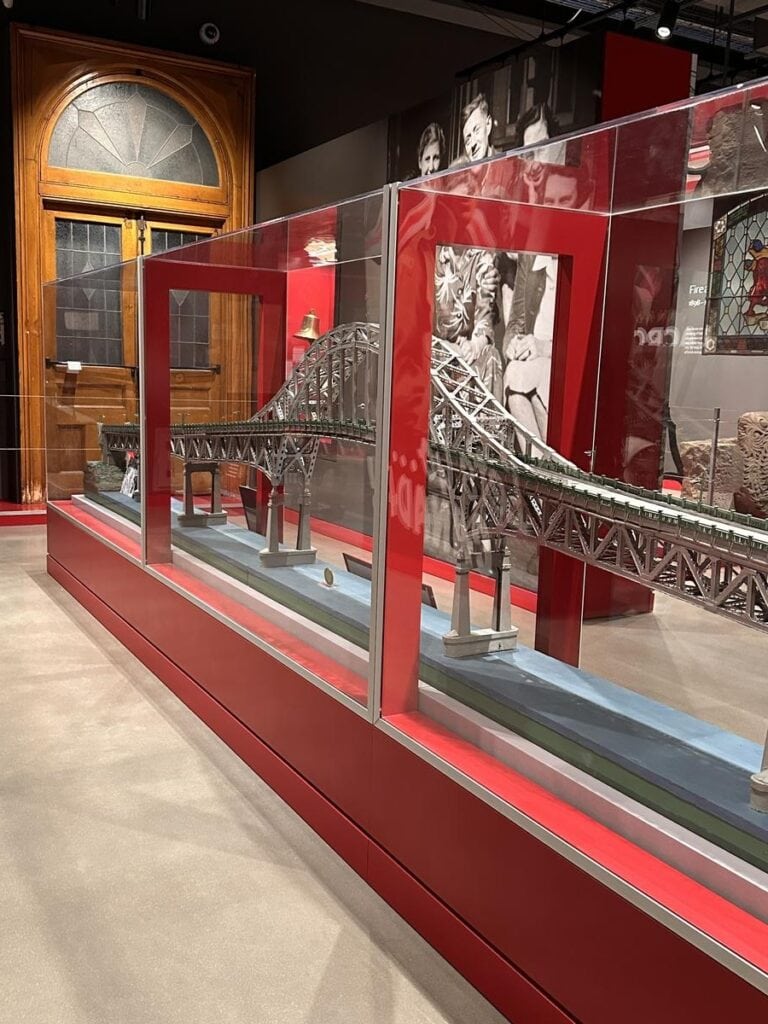
You can’t drive around Metro Vancouver without crossing at least one bridge — and most are major choke points during peak hours, construction projects, or rainy afternoons.
The Big Four:
- Lions Gate Bridge: Gorgeous but infamous. Two narrow lanes inbound/outbound with a reversible centre lane that causes confusion. Avoid it on weekday mornings or after 3 PM.
- Ironworkers Memorial (Second Narrows): The go-to for many North Shore locals. Still backs up heading into Burnaby after 4 PM.
- Port Mann Bridge: Once tolled, now free. Connects Coquitlam to Surrey and Burnaby. Wide and usually smooth outside peak hours.
- Golden Ears Bridge: Ideal if you’re heading between Langley, Maple Ridge, or Pitt Meadows. Light traffic, scenic views.
These crossings affect everything — from daily commutes to how long it takes to get to a trailhead or café. One fender-bender on the Lions Gate can back up West Vancouver for hours.
📌 Coming into Vancouver from Seattle or the US border? Here’s what to know about driving into the city, including border waits and scenic detours.
3. Rainy Season Realities (and What Locals Know)
Let’s talk rain.
Vancouver’s wet season lasts from roughly October to April, but the shoulder seasons are the sneakiest. One minute it’s sunny, the next your windshield wipers are on max speed and visibility drops to near zero.
What makes driving here in the rain so annoying?
- Road oil + rain = slick surfaces, especially after dry spells.
- Bike lanes everywhere, which means watching for cyclists who swerve to avoid puddles.
- Potholes appear quickly — particularly around East Van and Mount Pleasant.
What locals do:
- Use Rain-X or a ceramic windshield treatment.
- Always keep an umbrella in the car (because parking spots are rarely covered).
- Stick to major streets like Broadway or Main, which drain better than neighbourhood side roads.
4. What Happens When It Snows (Spoiler: Chaos)
You’d think a Canadian city would know how to handle snow. You’d be wrong.
Vancouver drivers collectively lose their minds* during the first snowfall…every year. Here’s what really happens:
- Hills turn into ice slides (looking at you, Lonsdale and SFU).
- Transit delays pile up. Even SkyTrain can stall.
- Tire shops book up weeks in advance.
*I totally understand why and will argue with anyone who is all judgmental about how Vancouver can't handle the snow...we get snow for maybe a few days a year. Why would we budget for tons of snow plows that will never get used? Also, most people don't have winter tires (because...we hardly get any snow here).
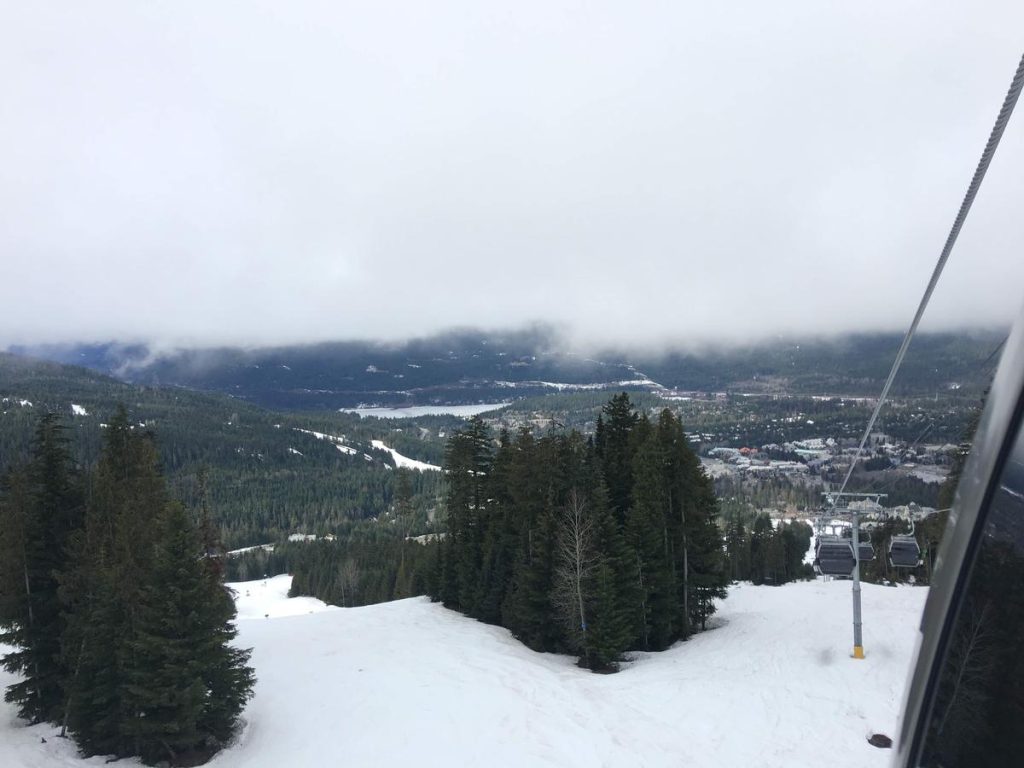
Winter tire rules: If you’re heading out on Highway 1, Sea-to-Sky (Hwy 99), or Hwy 3 between Oct 1–April 30, winter tires or mud and snow tires are legally required.
You don’t need snow tires for downtown driving, but if you’re heading toward Whistler, Hope, or the Coquihalla? Non-negotiable.
📌 Planning to visit Vancouver during the holidays? Check out what to expect for Christmas events, lights, and activities.

5. Parking: Where You Can, Can’t, and Definitely Shouldn’t
Parking in Vancouver is its own language. Here’s a breakdown:
Street Parking
- Downtown core: $2.50–$7/hour depending on proximity to Robson, Coal Harbour, etc.
- Near beaches or parks (like Kits or Stanley Park): High demand, timed zones, seasonal enforcement.
- Residential areas: Some allow 2-hour visitor parking; others are permit-only.
Private Lots
- EasyPark: City-run, generally cheaper. Find them in Gastown, Main Street, and East Van.
- IMPark: Privately run, often found near stadiums, shopping areas, or high-rises.
📱 Both accept app payments — download PayByPhone for EasyPark or hang onto your printed receipt for IMpark (they love a ticket).
📌 For easy trip planning, this Vancouver staycation list includes ideas within walking distance of lower-cost parking.
6. Do You Even Need a Car in Vancouver?
Honestly? Maybe not.
If you’re staying downtown, most places are walkable or transit-accessible. Granville Island, English Bay, Yaletown — all easier without circling for parking.
But if you’re planning day trips or staying in outer cities (Burnaby, Surrey, etc.), having a car does give you flexibility — especially for evening plans or off-hour travel.
Not sure? This guide breaks it down: Do You Need a Car in Vancouver?

7. Day Trips That Are Worth the Drive
When driving makes sense, it really makes sense.
These are my go-to short escapes:
- Whistler (1.5 hrs) – Great any season. I used to work here and still make regular trips.
- Squamish (1–1.25 hrs) – Waterfalls, trails, and places to grab a veggie burger or coffee.
- Bowen Island – Ferry-accessible and super quiet mid-week.
- Harrison Hot Springs (2 hrs) – Especially lovely after fresh snowfall.
- Hope + Merritt (2–2.5 hrs) – Underrated towns with space to breathe and places to stretch your legs.
Keep fuel in the tank — and if you’re packing for a lakeside day, this lake getaway checklist covers what to bring so you’re not freezing in the shade or hangry in the car.
Need a quick fuel cost estimation?
Get the FREE Budget Road Trip Fuel Cost Calculator
- Your handy tool for crunching fuel costs in km or miles, and in CAD or USD.
- It takes the stress out of budgeting for your adventure, so you know what to expect at the pump.
- Give it a whirl and hit the road with confidence!

8. What Locals Actually Do (That You Should, Too)
Driving in Vancouver is rarely effortless, but it’s manageable with a few tried-and-true habits:
- Use real-time traffic apps like Waze or Google Maps to reroute around bridge backups and construction zones.
- Bookmark road conditions from DriveBC and the City of Vancouver, especially in fall and winter.
- Keep a mix of payment options: some meters don’t accept tap, and towing fees may require a card.
- Brush up on BC’s distracted driving laws — using a handheld phone (even briefly) can result in steep fines.
- Respect local parking bylaws: residential permits vary by municipality. Don’t assume it’s safe to park overnight just because it’s quiet.
- Snow driving? On Highways 1, 3, and 99 (e.g. toward Whistler or Hope), winter tires are required from October 1 to April 30. Police do active checks.
If you’re not sure the car is even worth it, you’re not alone. Here’s how I help visitors figure it out: Do You Need a Car in Vancouver?
FAQs About Driving in Vancouver
Are there any tolls on bridges in Vancouver?
Nope — tolls were removed from all Metro Vancouver bridges, including the Port Mann and Golden Ears. You won’t be charged to cross any bridge in or near the city.
What’s the speed limit in Vancouver?
Most streets are 50 km/h unless signed otherwise. School and playground zones drop to 30 km/h and are strictly enforced.
How do I know if I can park overnight?
Each city has different rules. Use the local municipal website or call 3-1-1 to check for visitor permits or overnight restrictions in your area.
Do I need winter tires in Vancouver?
Not within the city, but they’re legally required from October to April if you’re heading on Highways 1, 3, or 99 (e.g. toward Whistler or Hope).
Should You Drive — Or Skip the Stress?
Here’s the thing: driving in Vancouver works best when it’s intentional. If your goal is to visit multiple neighbourhoods, make day trips, or venture to places like Whistler or Harrison, then yes — a car makes sense.
But for downtown-only itineraries or staycations, ditching the vehicle can actually give you more freedom. You won’t be worrying about permits, finding parking, or watching the clock on a 2-hour meter.
If that’s more your speed, check out these posts next:
- Driving to Vancouver from Seattle
- Vancouver Staycation Ideas for Every Season
- Where to Go on a Day Trip from Vancouver
📌 Save this for later or share it with someone new to the city or visiting — especially if they’re braving the bridges and trying to park near Granville Island in August.
Trip Planning Essentials for Vancouver
- What is Vancouver, Canada, Known For? Locals Want You To Know
- Is Vancouver Worth Visiting? (Local’s Perspective)
- The Best Time to Visit Vancouver: A Local’s Guide to Each Season’s Top Attractions
- The Worst Time to Visit Vancouver: A Local’s Perspective
- Vancouver Solo Travel Essential Safety Tips to Keep You Protected
- The Ultimate Guide to Driving to Vancouver
- Vancouver Packing List: Must-Have Items for Your West Coast Adventure
- Do You Need a Car in Vancouver?
- Top 10 Weekend Trips from Vancouver
- Where to Stay in Vancouver for First-Time Visitors
- The Best Rainy Season Activities for Fall in Vancouver
- Vancouver in Winter: What to Expect, How to Prepare, and Best Things to Do
- 21 Best Vancouver in Spring Activities and Break Ideas
Plan Your Canadian Adventure
A few trusted resources I use and recommend:
- Booking.com (Hotels + Stays) – Find places to stay across Canada
Compare hotels, hostels, and vacation rentals using a handy map tool. - Discover Cars (Rental Vehicles) – Search Canadian car rentals
Easily compare prices from major rental companies for your road trip. - Busbud (Intercity Buses) – Book Canadian bus routes
Affordable bus travel between cities and small towns across Canada. - Viator (Tours & Activities) – Browse tours across Canada
From guided walks to scenic day trips, find local experiences worth booking. - Airalo (eSIM Cards) – Get a Canadian travel eSIM
Stay connected while you explore without needing a physical SIM card. - Safety Wing (Travel Insurance) – Explore travel insurance options
If you're visiting Canada from abroad, travel insurance is worth looking into. This platform helps you compare plans. (Not financial advice.)
